
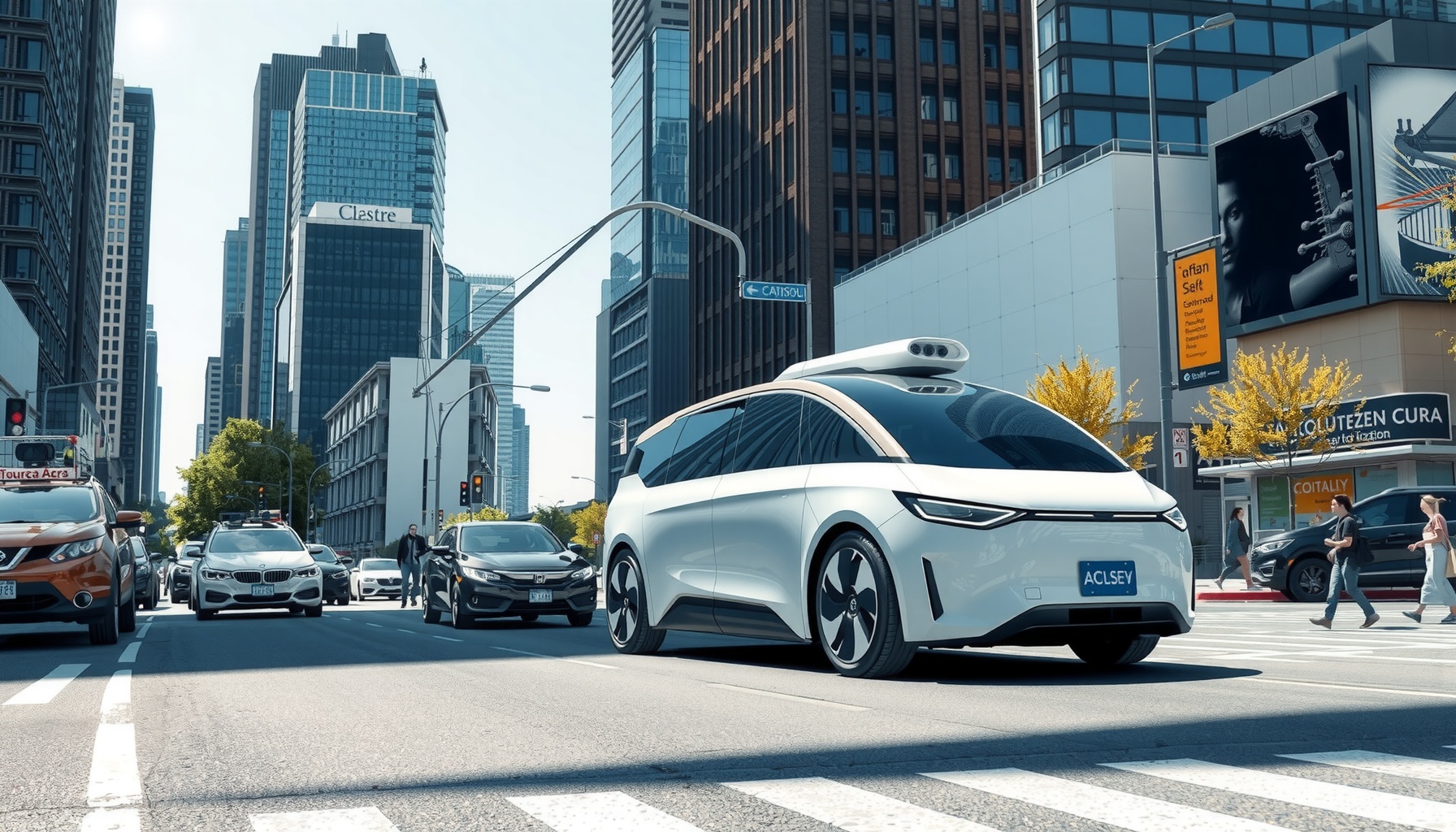
Liability for autonomous vehicle accidents presents unique challenges where human oversight and technology regulations intersect. As selfdriving technology evolves, determining fault involves not only the human driver but also vehicle manufacturers and software developers.
This shift necessitates updates in the regulatory framework, sparking discussions on whether product liability, operator duties, or crashworthiness should prevail.
Autonomous Driving and Legal Accountability
Autonomous systems in vehicles bring new considerations for legal accountability.
The responsibilities of vehicle manufacturers and operators are scrutinized as selfdriving technology raises negligence law questions.
The regulatory framework, currently adapting, often lags behind the rapidly advancing car automation industry.
Potential Gaps in Accountability
Emerging legal implications reveal gaps in existing accountability frameworks. Lawmakers and stakeholders need to address these gaps to ensure comprehensive safety standards and effective compliance measures.
- Challenges arise from rapid advancements in driver assistance and machine learning.
- Proactive measures like transparent accident data sharing and rigorous vehicle testing are essential to bridge current accountability gaps.
Public policy plays a critical role in guiding stakeholders towards clearer legal definitions and practical solutions for crash responsibility and fair compensation. As autonomous driving becomes integrated into daily life, ensuring accountability frameworks keep pace is crucial for maintaining road safety.
Understanding Self-Driving Technology Regulations
Autonomous driving technology regulations form the backbone of legal accountability in driverless car incidents. These regulatory frameworks are essential for shaping liability claims and fault determination.
Selfdriving technology rules, crafted by agencies like the National Highway Traffic Safety Administration (NHTSA), define safety standards and consumer protection measures that guide liability assessments involving vehicle manufacturers and operators.
Impact of Compliance on Liability
Adhering to technology regulations and safety protocols often determines where legal responsibility lies.
Compliance measures can shift liability from operators to manufacturers, influencing risk assessments and accident analysis.
For instance, when vehicle manufacturers adhere to federal vehicle safety standards, courts often recognize this as mitigating product liability claims, reducing crash responsibility. Conversely, failure to comply with accident forensics or vehicle autonomy guidelines can heighten legal exposure and liability during crash prevention legal disputes.
- Regulatory compliance plays a decisive role in liability outcomes.
Who Is Liable in Driverless Car Accidents?
Selfdriving technology has revolutionized how liability is determined in vehicle accidents, demanding a fresh look at negligence law. This evolution reflects how legal accountability now encompasses not only operators but also vehicle manufacturers and software developers.
New Dynamics of Fault Determination
In contrast to traditional cases, where driver actions were the focal point, driverless cars introduce complexities. Fault determination in such cases often revolves around software malfunction, compliance with government regulations, and sensor technology performance.
Autonomous systems, like those involved in legal disputes over selfdriving technology, can exhibit compliance with safety standards, shielding manufacturers from outright liability. Legal proceedings may then focus more on operator duties and software oversight, underlining how emerging innovations in car automation influence fleet management and vehicle autonomy.
- Operator liability and manufacturer liability are contingent on accident analysis and legal jurisdiction.
Self-Driving Technology Regulations
- Regulations are essential for shaping liability claims and fault determination in driverless car incidents.
- Compliance with safety standards can reduce product liability claims for manufacturers.
- Failure to comply with regulations increases legal exposure in crash prevention disputes.
- Liability in driverless car accidents involves manufacturers, operators, and software developers.
Navigating the Regulatory Framework for Autonomous Vehicles
Autonomous driving technology is transforming global transportation, with regulatory developments playing a pivotal role. The U. S.
Department of Transportation’s recent initiatives exemplify such transformations, accelerating legal reforms and directly influencing vehicle manufacturers and technology regulations.
Legal accountability requires manufacturers to adapt compliance measures as car automation standards evolve.
Stakeholders in this domain are guided by key regulatory bodies, including:.
- National Highway Traffic Safety Administration (NHTSA): Sets vehicle safety standards and issues guidance on AV technology.
- U. S. Department of Transportation (DOT): Leads national policy direction and coordination.
- State and local transportation agencies: Govern traffic laws and road safety compliance.
These agencies collaborate to minimize regulatory fragmentation, modernize safety protocols, and enable commercial deployment while safeguarding public interests. Their efforts ensure a consistent regulatory framework, facilitating the smooth integration of selfdriving technology into everyday life. As regulatory landscapes evolve, transitioning into analytical discussions on negligence law and its unique impact on self-driving cars becomes imperative.
How Negligence Law Applies to Self-Driving Cars
Selfdriving technology introduces distinct legal implications, particularly in the context of negligence law versus product liability. Legal accountability often focuses on fault determination. While negligence assessments typically scrutinize operator duties or human oversight, product liability centers on vehicle manufacturers responsible for software malfunction or defect claims. Consider these hypothetical scenarios:
- Scenario A: An operator disregards required intervention prompts, leading to a crash—liability centers on negligence.
- Scenario B: An accident triggered by machine learning failure or technology regulations gaps implicates product liability.
Emerging innovations in legal theories of negligence continue to overlap and diverge from product liability claims, complicating future legal outcomes and insurance considerations. These intersections reflect the nuanced challenges in assessing legal implications arising from technological advancements in driverless cars.
Autonomous Vehicles Regulations
- The U. S. Department of Transportation is actively involved in accelerating legal reforms related to autonomous vehicles.
- The National Highway Traffic Safety Administration sets safety standards and provides guidance on AV technology.
- State and local transportation agencies are responsible for governing traffic laws and ensuring road safety compliance.
- Regulatory bodies collaborate to minimize fragmentation and modernize safety protocols for the commercial deployment of self-driving cars.
Exploring Product Liability in Car Automation
Autonomous driving advancements challenge vehicle manufacturers and software developers, intensifying legal accountability concerns. As car automation evolves, product liability and the complexities of fault determination become more pronounced in crash scenarios.
Self-driving technology introduces unique challenges, such as software malfunction and integration faults, complicating responsibility assignment, especially where human oversight is limited.
Legal accountability might extend beyond manufacturers to include component suppliers or algorithm designers as negligence law adapts to autonomous systems.
Some challenges include:.
- Technical Failures: The integration of AI and machine learning complicates liability pinpointing in automated decisions.
- Evolving Technology: Rapid advances outpace regulatory frameworks, creating gaps in legal guidance.
Implementing robust safety protocols, industry standards for vehicle testing, and transparent incident reporting can mitigate risks, promoting consumer protection.
Determining Fault in Autonomous Vehicle Crashes
Self-driving technology redefines how liability assessment is conducted in crashes involving autonomous vehicles. Fault determination increasingly relies on accident forensics, utilizing data generated by autonomous systems, such as sensor logs and operational commands. Legal accountability is shaped by these diverse data sources, demanding an integration of established negligence law with advanced analytics tools to clarify crash responsibility.
Importance of Data Collection
Accident forensics benefits from detailed sensor technology and comprehensive vehicle logs, allowing for precise accident analysis. This data aids in differentiating between operator duties, software errors, and external influences.
Enhancing Analysis Techniques
A collaborative approach with technology experts enhances data analysis techniques, refining how fault is assessed. This cooperation between legal professionals and technology specialists aims to develop accountability frameworks that align with the evolving capabilities of autonomous driving.
- Autonomous vehicles rely heavily on AI and machine learning, which complicates liability determination in the event of technical failures.
- The rapid pace of technological advancements in car automation often outstrips existing regulatory frameworks, leading to legal uncertainties.
- Data collection from autonomous systems, such as sensor logs, is crucial for accurate fault determination in crash scenarios.
- A collaborative approach between legal experts and technology specialists is essential to develop effective accountability frameworks for autonomous driving.
Impact of Legal Reforms on Autonomous Systems
Legal reforms in the regulatory framework are revolutionizing the governance of autonomous driving technologies. Recent legislation, notably the 2025 Autonomous Vehicle Acceleration Act, seeks to modernize federal safety standards and create a comprehensive national structure for driverless cars.
This addresses the certification challenges faced by self-driving technology and bolsters U. S.
Competitiveness in the autonomous vehicle industry.
Addressing Legal Accountability and Negligence Law
Legal accountability in negligence law is adapting to differentiate between vehicle manufacturers and operator responsibilities, impacting crash responsibility and insurance considerations.
As self-driving technology evolves, product liability related to autonomous vehicle accidents is expected to further drive compliance measures. These reforms aim to enhance safety standards and strengthen accountability frameworks.
Revised accident reporting rules have lessened burdens on manufacturers by exempting minor incidents, reflecting a trend toward risk assessment that supports innovation without compromising road safety.
Future Directions and Implications
- Operator duties and vehicle testing protocols are being clarified through both federal and state action, setting important precedents for future legal jurisdiction and technology regulations.
These significant legal reforms carry far-reaching implications, shaping public trust and fostering the broad adoption of autonomous systems in transportation. By anticipating future legal trends, we can ensure that the advancements in autonomous systems are met with appropriate regulatory support, thus facilitating a smoother transition into an era of self-driving vehicles.
- The 2025 Autonomous Vehicle Acceleration Act aims to modernize federal safety standards for driverless cars.
- Legal reforms are adapting negligence law to clarify the responsibilities of vehicle manufacturers and operators.
- Revised accident reporting rules exempt minor incidents to support innovation while maintaining road safety.
- Federal and state actions are clarifying operator duties and vehicle testing protocols, setting important legal precedents.