Intellectual Property Issues In 3D Printing Today

Intellectual Property Issues In 3D Printing Today

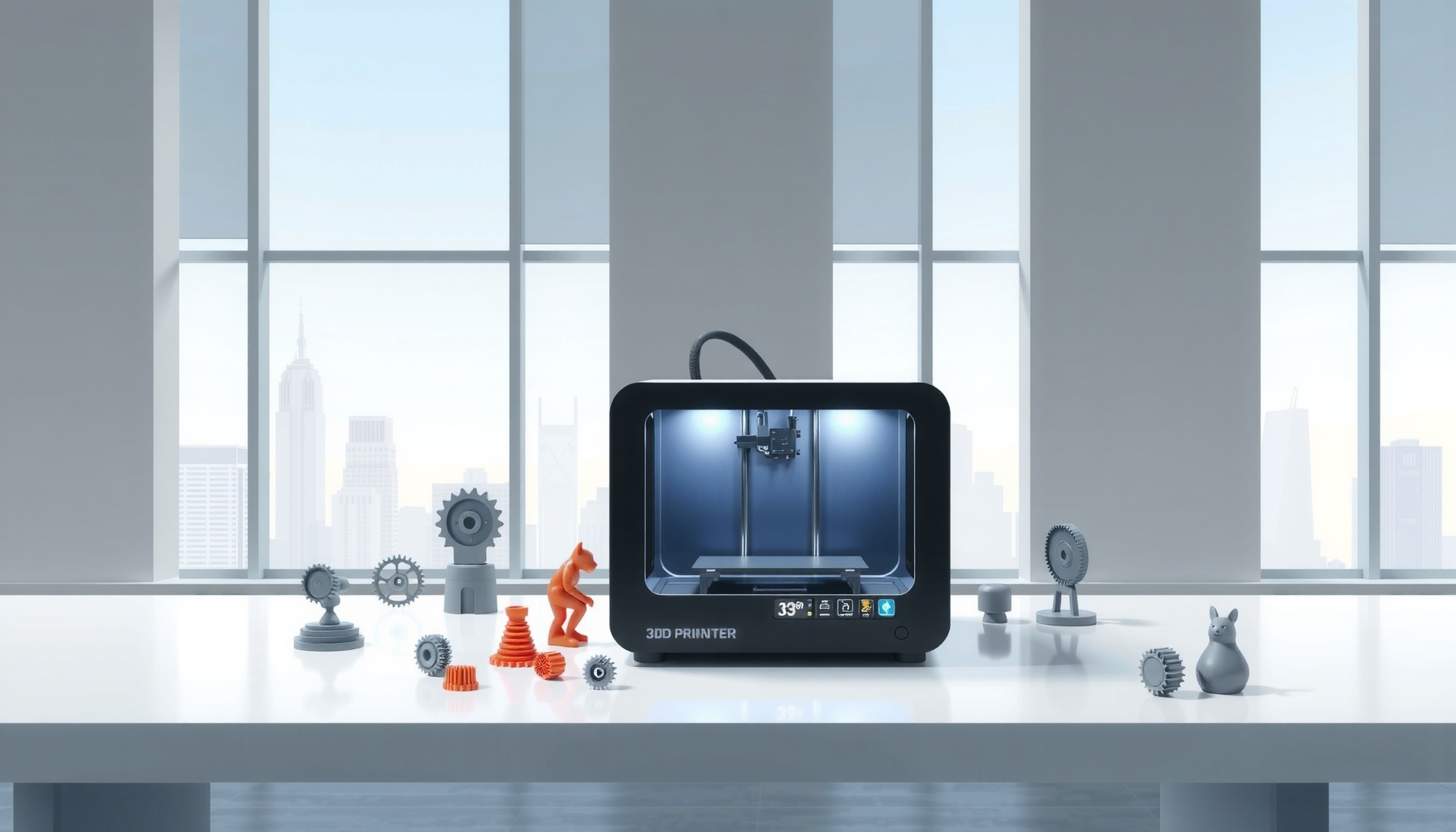
3D printing patents are reshaping the global landscape with digital manufacturing stretching IP boundaries further than ever imagined. This trend is evident as CAD designs circulate freely, sparking counterfeit prevention concerns due to replica creation and unauthorized distribution.

Dispute management becomes complex as 3D content rapidly evolves, requiring robust rights systems.

As innovation security advances, continuous IP law reforms look to bridge gaps exposed by decentralized production.

New compliance issues necessitate strategies for protecting creative works effectively, offering proactive solutions amidst widespread user content generation.

Copyright Concerns in 3D Printing

Copyright issues are becoming increasingly significant in digital manufacturing. Creators face unprecedented challenges as 3D designs are easily copied and modified, leading to rapid distribution.

Unlike traditional digital media, scanning and replicating tangible items via 3D printing blur lines around derivative creations and fair use policies. The availability of opensource models heightens digital theft risks, as unauthorized copies spread quickly.

To counter these threats, enhanced licensing strategies and watermarking are vital.

These methods empower creators by enhancing control and providing legal avenues to safeguard their creations in an ever-evolving domain.

Intellectual Property Issues In 3D Printing Today

Understanding Design Patents in 3D Printing

3D printing patents have revolutionized digital manufacturing by enabling the integration of CAD designs and proprietary tech into innovative asset management. It’s critical for companies to understand design protections to ensure brand protection.

Design patents specifically secure the visual style and ornamental appearance of 3D printed products, covering elements like shapes, colors, or surface ornamentation, and providing targeted protection for non-functional aesthetics.

Copyright issues generally don’t pertain to design patents, which enforce rights against unauthorized copies, thereby strengthening industrial design rights and enhancing innovation protection.

  • Design patents safeguard only the ornamental, visible features of a 3D printed product, not its functionality.
  • Utility patents protect functional elements, focusing on how a product operates, which is essential in digital manufacturing.

Limitations of Design Patents Compared to Utility Patents

Digital management and compliance issues frequently arise when distinguishing between design protections and IP law concerning 3D content and trade dress concerns. Design patents offer relatively narrow protection, covering the exact ornamental design shown in the patent documents. Infringement issues occur when someone alters a shape or styling to avoid substantial similarity. This situation complicates replica creation enforcement, particularly as counterfeit prevention and litigation issues grow in the opensource models ecosystem. Unlike design patents, utility patents offer broader market rights since they cover functional aspects, impacting dispute management in tech patents and supporting innovation security.

  • Examples include 3D printed accessories where a design patent only covers a unique exterior look.
  • Utility patents protect functional features, offering asset management solutions for proprietary claims and tech transfer, regardless of outward aesthetics.

How Do Design Patents Apply?

Design protections in the context of 3D printing patents specifically apply to the aesthetic components of 3D designs. Infringement issues often arise when a competitor creates derivative creations that appear substantially similar to an existing patented design. To avoid legal risks, a thorough understanding of what a design patent covers is necessary. Recent legal cases involving 3D printed products highlight the limitations of design patents compared to utility patents, which offer broader protection for functional aspects.

Strategic Tips for Filing a Design Patent

Patent applications require precise documentation of every ornamental detail. Conduct a prior art searching process to ensure your design is unique and register your design with the appropriate authorities for protection. Consider implementing fair use policies to avoid potential copyright issues with your design. For brand protection, engage in licensing strategies and discuss confidentiality agreements with relevant partners to secure your industrial design rights.

Design Patents in 3D Printing

  • Design patents protect the ornamental and visible features of 3D printed products.
  • Utility patents cover the functional elements, crucial for operational aspects in digital manufacturing.
  • Design patents provide narrow protection, focusing on the exact design shown in the patent documents.
  • Infringement issues are common when competitors create designs that appear substantially similar to patented ones.

Understanding Trademark Issues in 3D Models

Trademark concerns in the realm of 3D printing have increased rapidly as digital manufacturing eases the swift distribution and reproduction of CAD designs. Such dynamics escalate infringement issues for both well-established brands and new creators.

Recognizing potential trademark conflicts is essential since unauthorized use of logos or proprietary designs embedded in 3D content can mislead consumers and potentially weaken brand equity.

Effective brand protection strategies are crucial for reducing risks associated with replica creation.

As user content proliferates across opensource models and digital platforms, creators must stay proactive in their monitoring efforts.

Proactive Steps for Creators

  • Implementing comprehensive licensing strategies and safe harbor provisions are vital. These allow rights holders to establish clear usage parameters and provide creators a framework for addressing compliance issues.
  • Developing robust model agreements, combined with continuous legal guidance, supports creators in conducting thorough prior art searching. They can document their work effectively and establish fair use policies, thereby defending against infringement claims and litigation issues.

Proactive legal actions bolster asset management as digital theft and counterfeit prevention become increasingly significant in the ever-evolving world of 3D printing patents.

Trademark Concerns Proactive Steps
Increased infringement issues Implementing comprehensive licensing strategies
Potential weakening of brand equity Developing robust model agreements
Unauthorized use of proprietary designs Continuous legal guidance for creators

Legal Considerations in 3D Printing

Entering the realm of 3D printing patents unveils a complex landscape of legal considerations, intertwining infringement issues, creative commons dynamics, and the integration of digital manufacturing. Navigating these waters requires awareness of CAD designs and their transformation into derivative creations, demanding vigilance regarding copyright issues and awareness of opensource models.

Trademark and Copyright Concerns

  • Trademark concerns often arise with replica creation, necessitating careful digital management and strategic patent applications.
  • Engaging in robust prior art searching alongside well-informed fair use policies forms the cornerstone of brand protection.
  • Effective licensing strategies safeguard artistic rights, enhanced by confidentiality agreements and comprehensive design protections.

Practical Steps for Compliance

Achieving harmony between industrial design rights and proprietary tech demands sophisticated approaches to counterfeit prevention. Understanding IP law and its evolving landscape through engagement with notable legal cases enables strategic dispute management. This ensures protection of proprietary claims and fortifies innovation security against unauthorized copies.

Safe-Harbor and Digital Manufacturing

Utilizing strategic safe harbor protections becomes increasingly relevant as digital manufacturing evolves. These provisions offer a legal framework that prevents excessive liability from infringement issues, ensuring that digital manufacturers can focus on innovation while keeping compliance issues in check. Key to this balance is the establishment of solid licensing strategies, rigorous review processes for design patents, and proactive copyright management.

Safe harbor enables companies to navigate innovation ecosystems without the risk of unintended violations, promoting digital manufacturing growth while respecting intellectual property rights.

Legal Considerations in 3D Printing

  • 3D printing patents are crucial for protecting innovative designs and preventing unauthorized reproduction.
  • Trademark and copyright concerns are heightened with the creation of replicas, requiring careful management and legal strategies.
  • Safe harbor provisions help digital manufacturers minimize liability while focusing on innovation.
  • Engaging in prior art searching and fair use policies is essential for robust brand protection in the 3D printing industry.

Understanding Intellectual Property in CAD Designs

3D printing patents play a crucial role in safeguarding innovative ideas. These patents help in protecting against infringement issues and strengthen the rights systems around digital manufacturing.

Creative commons offer a flexible approach to share CAD designs while maintaining control over derivative creations.

This promotes collaboration and minimizes copyright issues in digital environments.

Exploring Licensing Models

Opensource models provide an avenue for creators to share designs freely, yet they may pose trademark concerns, such as replica creation without proper authorization.

On the other hand, proprietary tech and agreements secure artistic rights and enhance design protections. Opting for an opensource model or a proprietary license can be guided by assessing brand protection requirements and the potential for counterfeit prevention.

Licensing Strategies for CAD Designs

Choosing the correct licensing strategies for CAD designs requires an understanding of the intricate balance between protection and flexibility.

Creative Commons licenses are particularly favored for their adaptability in digital manufacturing, enabling creators to share their work while preserving artistic rights. This is especially relevant for managing 3D printing patents and trademark concerns, ensuring compliance issues are addressed effectively.

  • Creative Commons licenses support collaboration by allowing designers to share their creations widely while retaining copyright control over CAD files.
  • Proprietary licenses focus on protecting industrial design rights, ensuring that asset management and innovation protection remain top priorities.
  • The dual licensing approach combines both strategies, offering options for both open access and exclusive rights to maximize market rights and brand strategies.

Addressing legal risks related to unauthorized copies or replica creation is integral to a successful licensing strategy. For beginners, adopting a Creative Commons license provides a balance between exposure and managing compliance issues. As your business grows, transitioning to restrictive options can enhance your brand protection and innovation security.

Licensing Model Advantages
Creative Commons Facilitates collaboration and retains copyright control
Proprietary Licenses Protects industrial design rights and ensures asset management
Dual Licensing Combines open access with exclusive rights for market maximization

Intellectual Property Challenges in 3D Printing

3D printing patents and copyright issues pose significant challenges for innovators. As digital manufacturing spreads, derivative creations become more complex, raising infringement issues with CAD designs.

Replica creation and trademark concerns in 3D models escalate when modifications or unauthorized copies blur ownership.

Legal concepts like creative commons and open licenses provide some flexibility, yet key legal cases question control over adaptations.

Compliance and Strategic Approaches

  • Prior art searching and patent applications are essential for protecting proprietary tech and avoiding disputes.
  • Acknowledging safe harbor and licensing strategies, alongside model agreements, is crucial for managing legal risks and securing artistic rights.

As asset management and innovation protection become priorities, legal guidance remains important. Confidence in navigating market rights grows through comprehensive brand protection and proactive dispute management.

Managing Derivative Creations Legally

Efficient management of derivative creations requires understanding IP law and linking it to existing digital management strategies. Copyright permission and trademark concerns must be addressed to avoid litigation issues and comply with existing fair use policies.

Licensing practices and open licenses play key roles in retaining control over modifications.
Strategically crafted creative agreements with confidentiality agreements ensure compliance issues are minimized during collaboration.

Proactive ant counterfeit measures and watermarking are effective in preventing unauthorized copies and protecting proprietary claims.

Legal Framework and Asset Security

Detailed awareness of industrial design rights and registered designs fortifies innovation security. Trade dress concerns and product verification methods, such as fake detection, support integrity of 3D content.

Utilizing exclusive licenses and developing robust rights systems ensures the secure transfer of tech patents and domain rights. This comprehensive approach fosters innovation protection while mitigating legal risks.

Intellectual Property Challenges Legal Strategies
3D printing patents and copyright issues Prior art searching and patent applications
Replica creation and trademark concerns Licensing practices and open licenses
Derivative creations and infringement issues Proactive anti-counterfeit measures and watermarking

Exploring the Complexities of Open Source Models

The open-source movement presents unique challenges and opportunities in the modern era of digital manufacturing. 3D printing patents and copyright issues are at the forefront of discussions concerning the protection and innovation of open-source designs.

While these models promote a collaborative spirit, infringement issues arise when creative commons licenses are misunderstood or misapplied.

Understanding digital management and implementing effective licensing strategies are crucial steps toward safeguarding both the creators and users of these resources.

Navigating the Legal Landscape

Legal cases surrounding open-source models often center on derivative creations that blur the lines between original and modified designs.

For instance, CAD designs used in 3D printing can lead to trademark concerns and replica creation disputes. By focusing on industrial design rights and engaging in prior art searching, developers can better manage the risks of unauthorized copies and proprietary claims.

Compliance issues and dispute management are further complicated by the global nature of digital sharing, necessitating a deeper understanding of IP law and effective asset management.

Can Open Source Models Be Restricted?

While open-source models are designed to be free and accessible, certain legal risks necessitate restrictions. Copyright issues in digital manufacturing challenge the ideals of open-source by introducing access limitations through legal frameworks.

Patent applications for proprietary tech illustrate that even projects under open licenses might still face infringement issues if their designs intersect with protected technologies.

Licensing strategies such as adopting clear model agreements and proactive user content policies can help navigate these complexities, allowing developers to maintain the collaborative spirit of open source while protecting innovation security.

Learning from Other Industries

Open-source misuse is not limited to one sector.

Cases across various industries reveal how brand protection and trade dress concerns can arise with digital theft and tech transfer issues. By examining these precedents, open-source developers can implement cease and desist orders and confidentiality agreements to prevent the misuse of their creations.

Practical Suggestions for Developers

Developers interested in leveraging open-source models should ensure compliance with fair use policies and legal guidance to establish a robust framework for their work.

Employing watermarking for 3D content and considering exclusive licenses where appropriate can mitigate legal risks. By reinforcing safe harbor provisions and understanding creative agreements, developers can better navigate the challenges of open-source development.

Open Source Models

  1. Open-source models face legal challenges such as copyright and patent issues.
  2. Derivative creations in open-source can lead to trademark and replica disputes.
  3. Legal frameworks may impose access limitations on open-source designs.
  4. Compliance with fair use policies is essential for open-source developers.

Key Strategies for Brand Protection in 3D Spaces

Trademark concerns in 3D printing extend far beyond traditional logos, especially as virtual and augmented reality environments gain market share. Design protections can be enhanced by monitoring popular 3D content platforms to rapidly identify infringement issues and adjust brand strategies proactively.

Digital manufacturing ecosystems benefit from robust watermarking of CAD designs, which secures proprietary claims and deters unauthorized copies within community-shared open-source models.

Derivative creations present unique challenges, so implementing legal guidance and digital management solutions is essential to address replica creation fast.

Regular collaboration with IP law professionals ensures ongoing compliance and innovation protection as your brand grows into new digital domains.

Best Practices for Brand Protection

Establishing intellectual property safeguards requires a multi-faceted strategy involving legal measures and vigilant monitoring. Copyright concerns in 3D models necessitate that brands register and enforce trademarks and design patent rights across digital marketplaces comprehensively.

Safe harbor practices, such as frequent audits and AI-driven infringement detection, are essential in detecting unauthorized copies and user content threats before escalation.

Licensing practices should be routinely updated to tackle new types of digital assets, ensuring all parties understand responsibilities surrounding model agreements and creative commons terms. Collaborating with influencers or leveraging creative agreements can also boost digital brand presence, strengthening both legal and community-driven brand protection.

Proactive Monitoring and Brand Strategy

  • Conduct regular audits on digital platforms to swiftly detect any infringement issues.
  • Enforce clear guidelines about CAD designs and digital manufacturing to prevent unauthorized usage.
  • Utilize AI tools for real-time monitoring of trademark concerns and counterfeit prevention.

Leveraging creative partnerships with influencers enhances brand visibility and drives community engagement. This approach strengthens both legal and grassroots protections against digital theft and infringement issues.

Brand Protection Strategy Implementation Method
Trademark and Design Protection Monitor 3D content platforms for infringement
Digital Manufacturing Security Watermark CAD designs to secure proprietary claims
Infringement Detection Use AI tools for real-time monitoring
Community Engagement Leverage creative partnerships with influencers

Intellectual Property Issues In 3D Printing Today

Intellectual Property Issues In 3D Printing Today

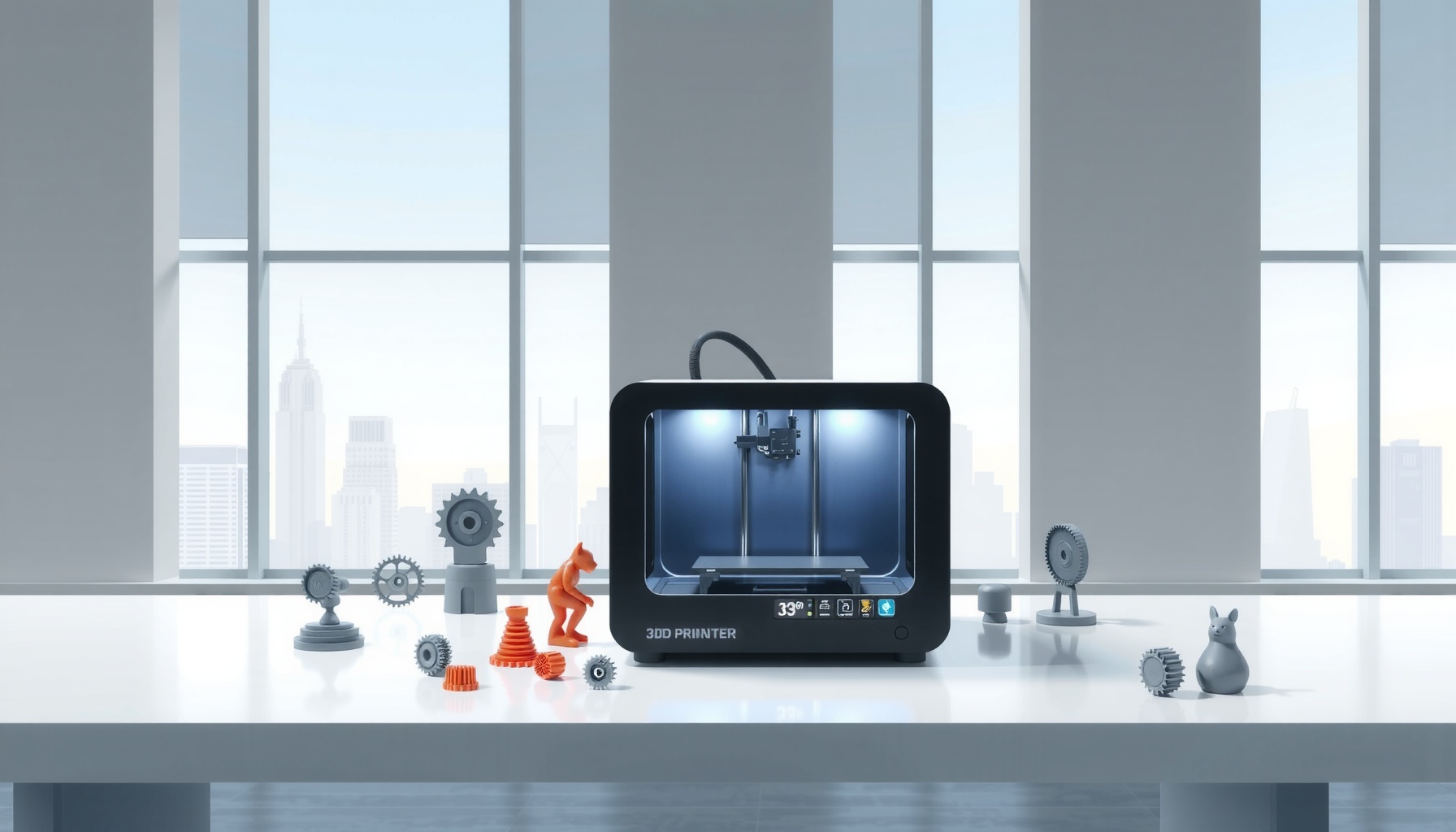
3D printing patents are reshaping the global landscape with digital manufacturing stretching IP boundaries further than ever imagined. This trend is evident as CAD designs circulate freely, sparking counterfeit prevention concerns due to replica creation and unauthorized distribution.

Dispute management becomes complex as 3D content rapidly evolves, requiring robust rights systems.

As innovation security advances, continuous IP law reforms look to bridge gaps exposed by decentralized production.

New compliance issues necessitate strategies for protecting creative works effectively, offering proactive solutions amidst widespread user content generation.

Copyright Concerns in 3D Printing

Copyright issues are becoming increasingly significant in digital manufacturing. Creators face unprecedented challenges as 3D designs are easily copied and modified, leading to rapid distribution.

Unlike traditional digital media, scanning and replicating tangible items via 3D printing blur lines around derivative creations and fair use policies. The availability of opensource models heightens digital theft risks, as unauthorized copies spread quickly.

To counter these threats, enhanced licensing strategies and watermarking are vital.

These methods empower creators by enhancing control and providing legal avenues to safeguard their creations in an ever-evolving domain.

Intellectual Property Issues In 3D Printing Today

Understanding Design Patents in 3D Printing

3D printing patents have revolutionized digital manufacturing by enabling the integration of CAD designs and proprietary tech into innovative asset management. It’s critical for companies to understand design protections to ensure brand protection.

Design patents specifically secure the visual style and ornamental appearance of 3D printed products, covering elements like shapes, colors, or surface ornamentation, and providing targeted protection for non-functional aesthetics.

Copyright issues generally don’t pertain to design patents, which enforce rights against unauthorized copies, thereby strengthening industrial design rights and enhancing innovation protection.

  • Design patents safeguard only the ornamental, visible features of a 3D printed product, not its functionality.
  • Utility patents protect functional elements, focusing on how a product operates, which is essential in digital manufacturing.

Limitations of Design Patents Compared to Utility Patents

Digital management and compliance issues frequently arise when distinguishing between design protections and IP law concerning 3D content and trade dress concerns. Design patents offer relatively narrow protection, covering the exact ornamental design shown in the patent documents. Infringement issues occur when someone alters a shape or styling to avoid substantial similarity. This situation complicates replica creation enforcement, particularly as counterfeit prevention and litigation issues grow in the opensource models ecosystem. Unlike design patents, utility patents offer broader market rights since they cover functional aspects, impacting dispute management in tech patents and supporting innovation security.

  • Examples include 3D printed accessories where a design patent only covers a unique exterior look.
  • Utility patents protect functional features, offering asset management solutions for proprietary claims and tech transfer, regardless of outward aesthetics.

How Do Design Patents Apply?

Design protections in the context of 3D printing patents specifically apply to the aesthetic components of 3D designs. Infringement issues often arise when a competitor creates derivative creations that appear substantially similar to an existing patented design. To avoid legal risks, a thorough understanding of what a design patent covers is necessary. Recent legal cases involving 3D printed products highlight the limitations of design patents compared to utility patents, which offer broader protection for functional aspects.

Strategic Tips for Filing a Design Patent

Patent applications require precise documentation of every ornamental detail. Conduct a prior art searching process to ensure your design is unique and register your design with the appropriate authorities for protection. Consider implementing fair use policies to avoid potential copyright issues with your design. For brand protection, engage in licensing strategies and discuss confidentiality agreements with relevant partners to secure your industrial design rights.

Design Patents in 3D Printing

  • Design patents protect the ornamental and visible features of 3D printed products.
  • Utility patents cover the functional elements, crucial for operational aspects in digital manufacturing.
  • Design patents provide narrow protection, focusing on the exact design shown in the patent documents.
  • Infringement issues are common when competitors create designs that appear substantially similar to patented ones.

Understanding Trademark Issues in 3D Models

Trademark concerns in the realm of 3D printing have increased rapidly as digital manufacturing eases the swift distribution and reproduction of CAD designs. Such dynamics escalate infringement issues for both well-established brands and new creators.

Recognizing potential trademark conflicts is essential since unauthorized use of logos or proprietary designs embedded in 3D content can mislead consumers and potentially weaken brand equity.

Effective brand protection strategies are crucial for reducing risks associated with replica creation.

As user content proliferates across opensource models and digital platforms, creators must stay proactive in their monitoring efforts.

Proactive Steps for Creators

  • Implementing comprehensive licensing strategies and safe harbor provisions are vital. These allow rights holders to establish clear usage parameters and provide creators a framework for addressing compliance issues.
  • Developing robust model agreements, combined with continuous legal guidance, supports creators in conducting thorough prior art searching. They can document their work effectively and establish fair use policies, thereby defending against infringement claims and litigation issues.

Proactive legal actions bolster asset management as digital theft and counterfeit prevention become increasingly significant in the ever-evolving world of 3D printing patents.

Trademark Concerns Proactive Steps
Increased infringement issues Implementing comprehensive licensing strategies
Potential weakening of brand equity Developing robust model agreements
Unauthorized use of proprietary designs Continuous legal guidance for creators

Legal Considerations in 3D Printing

Entering the realm of 3D printing patents unveils a complex landscape of legal considerations, intertwining infringement issues, creative commons dynamics, and the integration of digital manufacturing. Navigating these waters requires awareness of CAD designs and their transformation into derivative creations, demanding vigilance regarding copyright issues and awareness of opensource models.

Trademark and Copyright Concerns

  • Trademark concerns often arise with replica creation, necessitating careful digital management and strategic patent applications.
  • Engaging in robust prior art searching alongside well-informed fair use policies forms the cornerstone of brand protection.
  • Effective licensing strategies safeguard artistic rights, enhanced by confidentiality agreements and comprehensive design protections.

Practical Steps for Compliance

Achieving harmony between industrial design rights and proprietary tech demands sophisticated approaches to counterfeit prevention. Understanding IP law and its evolving landscape through engagement with notable legal cases enables strategic dispute management. This ensures protection of proprietary claims and fortifies innovation security against unauthorized copies.

Safe-Harbor and Digital Manufacturing

Utilizing strategic safe harbor protections becomes increasingly relevant as digital manufacturing evolves. These provisions offer a legal framework that prevents excessive liability from infringement issues, ensuring that digital manufacturers can focus on innovation while keeping compliance issues in check. Key to this balance is the establishment of solid licensing strategies, rigorous review processes for design patents, and proactive copyright management.

Safe harbor enables companies to navigate innovation ecosystems without the risk of unintended violations, promoting digital manufacturing growth while respecting intellectual property rights.

Legal Considerations in 3D Printing

  • 3D printing patents are crucial for protecting innovative designs and preventing unauthorized reproduction.
  • Trademark and copyright concerns are heightened with the creation of replicas, requiring careful management and legal strategies.
  • Safe harbor provisions help digital manufacturers minimize liability while focusing on innovation.
  • Engaging in prior art searching and fair use policies is essential for robust brand protection in the 3D printing industry.

Understanding Intellectual Property in CAD Designs

3D printing patents play a crucial role in safeguarding innovative ideas. These patents help in protecting against infringement issues and strengthen the rights systems around digital manufacturing.

Creative commons offer a flexible approach to share CAD designs while maintaining control over derivative creations.

This promotes collaboration and minimizes copyright issues in digital environments.

Exploring Licensing Models

Opensource models provide an avenue for creators to share designs freely, yet they may pose trademark concerns, such as replica creation without proper authorization.

On the other hand, proprietary tech and agreements secure artistic rights and enhance design protections. Opting for an opensource model or a proprietary license can be guided by assessing brand protection requirements and the potential for counterfeit prevention.

Licensing Strategies for CAD Designs

Choosing the correct licensing strategies for CAD designs requires an understanding of the intricate balance between protection and flexibility.

Creative Commons licenses are particularly favored for their adaptability in digital manufacturing, enabling creators to share their work while preserving artistic rights. This is especially relevant for managing 3D printing patents and trademark concerns, ensuring compliance issues are addressed effectively.

  • Creative Commons licenses support collaboration by allowing designers to share their creations widely while retaining copyright control over CAD files.
  • Proprietary licenses focus on protecting industrial design rights, ensuring that asset management and innovation protection remain top priorities.
  • The dual licensing approach combines both strategies, offering options for both open access and exclusive rights to maximize market rights and brand strategies.

Addressing legal risks related to unauthorized copies or replica creation is integral to a successful licensing strategy. For beginners, adopting a Creative Commons license provides a balance between exposure and managing compliance issues. As your business grows, transitioning to restrictive options can enhance your brand protection and innovation security.

Licensing Model Advantages
Creative Commons Facilitates collaboration and retains copyright control
Proprietary Licenses Protects industrial design rights and ensures asset management
Dual Licensing Combines open access with exclusive rights for market maximization

Intellectual Property Challenges in 3D Printing

3D printing patents and copyright issues pose significant challenges for innovators. As digital manufacturing spreads, derivative creations become more complex, raising infringement issues with CAD designs.

Replica creation and trademark concerns in 3D models escalate when modifications or unauthorized copies blur ownership.

Legal concepts like creative commons and open licenses provide some flexibility, yet key legal cases question control over adaptations.

Compliance and Strategic Approaches

  • Prior art searching and patent applications are essential for protecting proprietary tech and avoiding disputes.
  • Acknowledging safe harbor and licensing strategies, alongside model agreements, is crucial for managing legal risks and securing artistic rights.

As asset management and innovation protection become priorities, legal guidance remains important. Confidence in navigating market rights grows through comprehensive brand protection and proactive dispute management.

Managing Derivative Creations Legally

Efficient management of derivative creations requires understanding IP law and linking it to existing digital management strategies. Copyright permission and trademark concerns must be addressed to avoid litigation issues and comply with existing fair use policies.

Licensing practices and open licenses play key roles in retaining control over modifications.
Strategically crafted creative agreements with confidentiality agreements ensure compliance issues are minimized during collaboration.

Proactive ant counterfeit measures and watermarking are effective in preventing unauthorized copies and protecting proprietary claims.

Legal Framework and Asset Security

Detailed awareness of industrial design rights and registered designs fortifies innovation security. Trade dress concerns and product verification methods, such as fake detection, support integrity of 3D content.

Utilizing exclusive licenses and developing robust rights systems ensures the secure transfer of tech patents and domain rights. This comprehensive approach fosters innovation protection while mitigating legal risks.

Intellectual Property Challenges Legal Strategies
3D printing patents and copyright issues Prior art searching and patent applications
Replica creation and trademark concerns Licensing practices and open licenses
Derivative creations and infringement issues Proactive anti-counterfeit measures and watermarking

Exploring the Complexities of Open Source Models

The open-source movement presents unique challenges and opportunities in the modern era of digital manufacturing. 3D printing patents and copyright issues are at the forefront of discussions concerning the protection and innovation of open-source designs.

While these models promote a collaborative spirit, infringement issues arise when creative commons licenses are misunderstood or misapplied.

Understanding digital management and implementing effective licensing strategies are crucial steps toward safeguarding both the creators and users of these resources.

Navigating the Legal Landscape

Legal cases surrounding open-source models often center on derivative creations that blur the lines between original and modified designs.

For instance, CAD designs used in 3D printing can lead to trademark concerns and replica creation disputes. By focusing on industrial design rights and engaging in prior art searching, developers can better manage the risks of unauthorized copies and proprietary claims.

Compliance issues and dispute management are further complicated by the global nature of digital sharing, necessitating a deeper understanding of IP law and effective asset management.

Can Open Source Models Be Restricted?

While open-source models are designed to be free and accessible, certain legal risks necessitate restrictions. Copyright issues in digital manufacturing challenge the ideals of open-source by introducing access limitations through legal frameworks.

Patent applications for proprietary tech illustrate that even projects under open licenses might still face infringement issues if their designs intersect with protected technologies.

Licensing strategies such as adopting clear model agreements and proactive user content policies can help navigate these complexities, allowing developers to maintain the collaborative spirit of open source while protecting innovation security.

Learning from Other Industries

Open-source misuse is not limited to one sector.

Cases across various industries reveal how brand protection and trade dress concerns can arise with digital theft and tech transfer issues. By examining these precedents, open-source developers can implement cease and desist orders and confidentiality agreements to prevent the misuse of their creations.

Practical Suggestions for Developers

Developers interested in leveraging open-source models should ensure compliance with fair use policies and legal guidance to establish a robust framework for their work.

Employing watermarking for 3D content and considering exclusive licenses where appropriate can mitigate legal risks. By reinforcing safe harbor provisions and understanding creative agreements, developers can better navigate the challenges of open-source development.

Open Source Models

  1. Open-source models face legal challenges such as copyright and patent issues.
  2. Derivative creations in open-source can lead to trademark and replica disputes.
  3. Legal frameworks may impose access limitations on open-source designs.
  4. Compliance with fair use policies is essential for open-source developers.

Key Strategies for Brand Protection in 3D Spaces

Trademark concerns in 3D printing extend far beyond traditional logos, especially as virtual and augmented reality environments gain market share. Design protections can be enhanced by monitoring popular 3D content platforms to rapidly identify infringement issues and adjust brand strategies proactively.

Digital manufacturing ecosystems benefit from robust watermarking of CAD designs, which secures proprietary claims and deters unauthorized copies within community-shared open-source models.

Derivative creations present unique challenges, so implementing legal guidance and digital management solutions is essential to address replica creation fast.

Regular collaboration with IP law professionals ensures ongoing compliance and innovation protection as your brand grows into new digital domains.

Best Practices for Brand Protection

Establishing intellectual property safeguards requires a multi-faceted strategy involving legal measures and vigilant monitoring. Copyright concerns in 3D models necessitate that brands register and enforce trademarks and design patent rights across digital marketplaces comprehensively.

Safe harbor practices, such as frequent audits and AI-driven infringement detection, are essential in detecting unauthorized copies and user content threats before escalation.

Licensing practices should be routinely updated to tackle new types of digital assets, ensuring all parties understand responsibilities surrounding model agreements and creative commons terms. Collaborating with influencers or leveraging creative agreements can also boost digital brand presence, strengthening both legal and community-driven brand protection.

Proactive Monitoring and Brand Strategy

  • Conduct regular audits on digital platforms to swiftly detect any infringement issues.
  • Enforce clear guidelines about CAD designs and digital manufacturing to prevent unauthorized usage.
  • Utilize AI tools for real-time monitoring of trademark concerns and counterfeit prevention.

Leveraging creative partnerships with influencers enhances brand visibility and drives community engagement. This approach strengthens both legal and grassroots protections against digital theft and infringement issues.

Brand Protection Strategy Implementation Method
Trademark and Design Protection Monitor 3D content platforms for infringement
Digital Manufacturing Security Watermark CAD designs to secure proprietary claims
Infringement Detection Use AI tools for real-time monitoring
Community Engagement Leverage creative partnerships with influencers