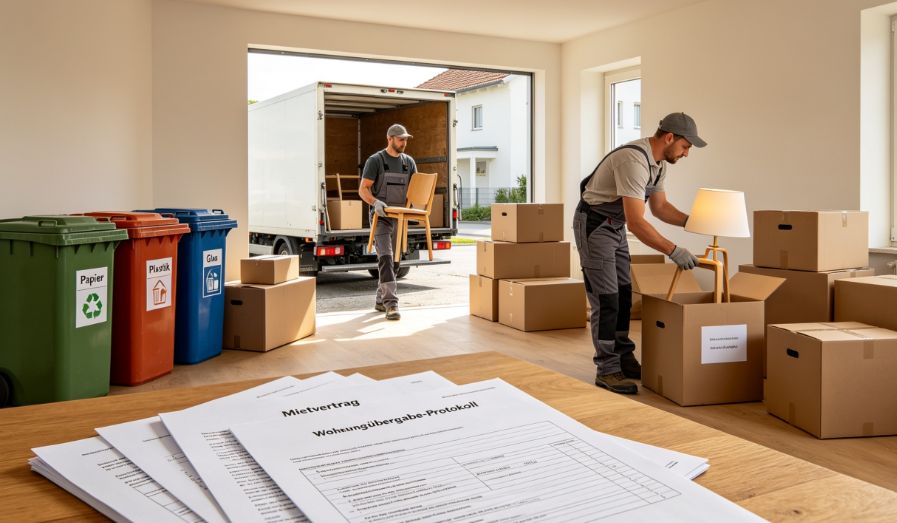
Statistics Austria reports that residential mobility, property transfers, and demographic changes continue to shape housing activity across Austria, making property clearances a regular part of estate administration, tenancy changes, and commercial relocations. During these situations, many owners and families search for information about property removal (bellerentrümpelung) while trying to understand what legal responsibilities may apply before a property is emptied. Knowing the basic legal framework helps reduce unnecessary delays, protects those involved, and supports proper waste handling throughout the clearance process.
Clearing a property can appear straightforward until questions arise about ownership, documentation, hazardous materials, or waste disposal. Estate properties may involve several heirs. Rental properties often require coordination between landlords and tenants. Commercial premises may contain business records or equipment that cannot simply be discarded. Austrian regulations address many of these situations through property law, tenancy rules, environmental legislation, and municipal waste management requirements. Understanding these responsibilities supports smoother decision-making without replacing professional legal or municipal guidance.
The Challenge: Every Property Clearance Has Different Legal Responsibilities
Property clearance projects differ depending on why the building is being emptied. An inherited home presents different considerations than an apartment after a lease ends or an office being permanently closed.
Research published by the European Commission highlights that waste management regulations throughout European Union member states emphasize responsible collection, recycling, and environmental protection. Austria applies these principles through national legislation and local municipal systems that determine how different materials should be sorted and disposed of.
The challenge is that many people focus first on removing unwanted belongings while overlooking documentation, ownership rights, and disposal rules that may need attention before work begins.
Step 1: Confirm Who Has Authority Over the Property
The first step is identifying who has the legal authority to arrange the clearance.
- For inherited property, responsibility generally follows the estate administration process and eventual transfer of ownership.
- For rental housing, tenancy agreements often outline the condition expected when the tenant vacates.
- For commercial buildings, business owners or authorized representatives usually oversee the removal of company assets and records.
Experts from the Austrian Federal Ministry of Justice note that inheritance procedures involve formal legal processes before ownership rights are fully transferred. During this period, decisions affecting estate property may require coordination among authorized parties.
Establishing responsibility first helps prevent misunderstandings between family members, landlords, tenants, and service providers.
Step 2: Separate Personal Belongings From Waste
One of the most common mistakes during a clearance is assuming everything left behind should be discarded.
Important personal documents, financial records, family photographs, contracts, identification papers, and valuable possessions should be reviewed before disposal begins. Estate properties may contain legal or financial records that remain relevant long after the property has been emptied.
Commercial premises often contain confidential documents subject to privacy obligations. Austria follows the General Data Protection Regulation (GDPR) for handling personal information, meaning sensitive records should be securely destroyed rather than disposed of with ordinary waste.
Step 3: Follow Austrian Waste Separation Requirements
Austria is widely recognized for its recycling system. Data published by the European Environment Agency consistently shows Austria among Europe’s leading countries for municipal waste recycling.
During a property cleanout, different materials usually require different disposal methods, including:
- Paper and cardboard
- Glass
- Metal
- Plastic packaging
- Electronic equipment
- Wood
- Construction debris
- Hazardous household waste such as paints, chemicals, and batteries
Municipal waste collection rules vary across Austrian cities and regions. Local collection centers often provide instructions regarding accepted materials, collection schedules, and recycling procedures.
Step 4: Check Whether Hazardous Materials Require Special Handling
Older homes, workshops, and commercial buildings occasionally contain materials that require additional precautions.
Examples include:
- Old paint products
- Cleaning chemicals
- Automotive fluids
- Electrical components
- Certain construction materials
The Austrian Federal Ministry for Climate Action, Environment, Energy, Mobility, Innovation and Technology provides guidance on proper waste management and environmentally responsible disposal practices. These materials should generally be handled through approved collection systems instead of ordinary household waste streams.
Identifying these items early reduces environmental risks and helps maintain compliance with local disposal regulations.
Step 5: Document the Property Before and After Clearance
Keeping records is often beneficial even when regulations do not specifically require extensive documentation.
Useful records may include:
- Photographs of each room before work begins
- Inventory lists for valuable items
- Waste disposal receipts
- Recycling documentation where applicable
- Service invoices
- Signed handover documents between landlords and tenants
These records can help clarify property condition, support insurance discussions, or resolve future questions regarding completed work.
Step 6: Understand Landlord and Tenant Responsibilities
Rental move-outs frequently involve questions about cleaning, repairs, and removal of personal belongings.
The Austrian Chamber of Labour (Arbeiterkammer) provides consumer information explaining that tenancy obligations depend on lease terms, applicable housing law, and the property’s condition. Expectations may differ depending on the agreement and individual circumstances.
For this reason, reviewing lease documents before beginning a full clearance often prevents confusion during property handover.
Step 7: Consider Local Municipal Requirements
Many disposal rules are administered at the municipal level.
Residents may need to arrange appointments for bulky waste collection, transport certain materials to recycling centers, or follow regional sorting requirements. Municipal authorities typically publish guidance covering accepted materials, prohibited waste, collection schedules, and recycling locations. Understanding how property maintenance and legal compliance intersect can also provide useful context for why responsible upkeep and proper disposal practices are increasingly emphasized.
Checking local instructions before beginning a large-scale clearance can save considerable time and reduce unnecessary disposal costs.
Practical Takeaways
Clearing inherited, rented, or commercial property involves more than removing unwanted belongings. Legal responsibility often begins with confirming authority over the property, continues through careful document handling, and extends to environmentally responsible waste separation.
Using organized planning, maintaining basic documentation, following municipal recycling requirements, and respecting ownership rights can make the process more manageable for everyone involved. Estate cleanouts, apartment move-outs, and business property clearances each present unique circumstances, but careful preparation helps reduce avoidable complications while supporting responsible property management throughout Austria.

 The internet has changed the way people learn about law, discuss public issues, and build communities. Years ago, legal discussions mostly happened inside classrooms, courtrooms, or law offices. Today, people join online groups to ask questions, share opinions, and learn about their rights. Platforms like Discord have become popular spaces for these conversations because they allow real-time interaction and organized discussions.