
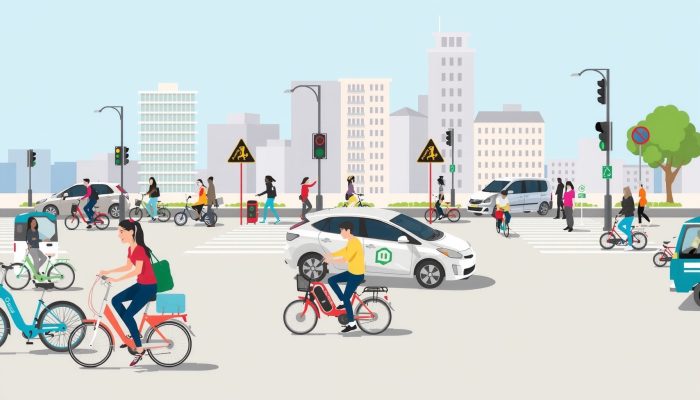
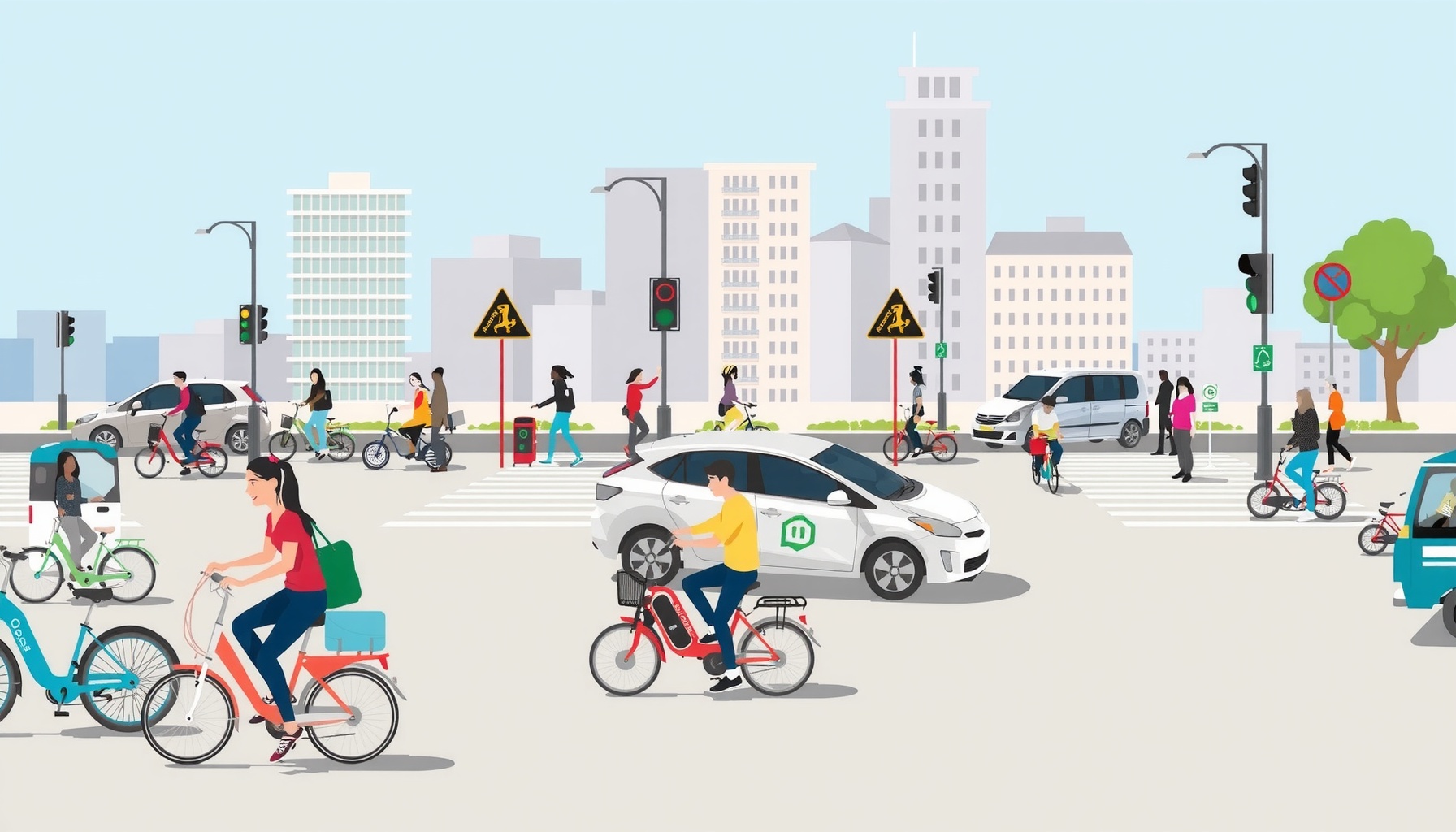
Dynamic Transformation: Legal obligations in sharedmobility services are transforming urban mobility, making alternative transportation options more inclusive and environmentally sustainable. Service providers are expanding bicycle sharing and electric scooters in cities, enhancing regulatory compliance as a bridge between innovation and public safety standards.
Shared Mobility Services and Their Impact
- Shared Transportation: These platforms reduce congestion and promote urban mobility while aligning with environmental impact goals and efficient fleet management.
- Legal Frameworks: Understanding operator licensing, user insurance, and municipal guidelines is essential for mobility operators. It enhances reliability, aids in accident reporting, and ensures compliance with infrastructure requirements.
Smooth integration of legal frameworks ensures urban transit remains safe, supporting sharedmobility sector growth, and paving the way for enhanced regulatory compliance for e-scooters.
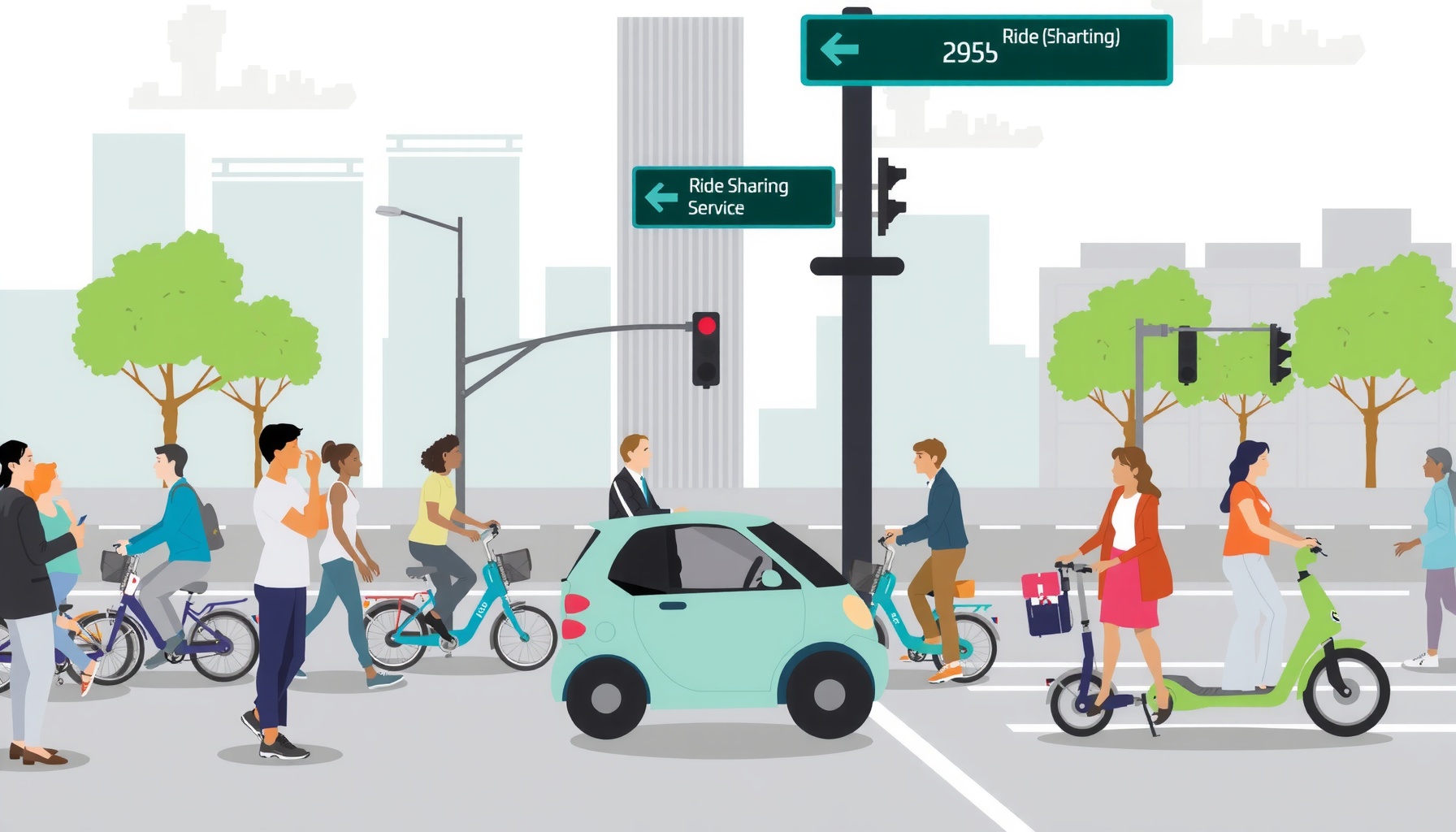
Regulatory Compliance for E-Scooters
Evolving Regulations: E-scooter regulations are constantly evolving as municipal guidelines and local ordinances govern every facet of shared electric scooters’ operations. These regulatory frameworks demand compliance audits to verify adherence to vehicle standards and perform safety inspections for fleet management. Such measures help reduce accident reporting risks and foster public liability coverage.
Local Ordinances and Standards
- Municipal Guidelines: Jurisdictional rules vary, with municipalities setting specific permit applications, helmet laws, road safety protocols, and emission standards for alternative transportation like electric scooters.
- Compliance and Safety: Equipment standards, safety protocols, vehicle registration, and operator responsibilities are foundational to operational compliance, ensuring pedestrian safety and user accountability.
These frameworks bridge the gap between innovative urban mobility services and effective transportation policies, boosting public trust and operational reliability in sharedmobility solutions.
Shared Transportation and Urban Mobility
Shared transportation initiatives are redefining the landscape of urban mobility. Models such as electric scooters, bicycle sharing, and carpooling provide flexible, on-demand options that decrease reliance on private vehicles.
By fostering collective travel, these services are easing traffic congestion, lowering emissions, and improving accessibility in transit deserts.
Infrastructure requirements remain a top priority to support this transformation.
Cities must establish dedicated bike lanes and e-scooter parking, integrating these into technologically advanced bikeshare program permits.
Through collaboration, mobility operators and service providers are poised to drive sustainable growth, meeting public demand and navigating permit applications and regional local ordinances to embed shared mobility into urban planning frameworks.
Infrastructure and Urban Planning
Urban planning plays a significant role in integrating shared transportation within city structures. The implementation of designated lanes and parking areas is crucial to ensuring the seamless operation of these services, which in turn encourages more people to adopt shared mobility solutions.
Regulatory compliance is essential as mobility operators work alongside city planners to align service deployment with traffic regulations and public safety standards.
These collaborative efforts pave the way for a future where shared transportation becomes a core component of urban transit systems.
Permit Applications and Local Ordinances
Applying for permits in the realm of shared mobility requires a comprehensive understanding of regulatory compliance. Municipalities set specific criteria for the approval of services like electric scooters, bicycle sharing, and ridesharing.
Operational permits demand operators submit detailed plans for fleet management, vehicle maintenance, and safety protocols, along with user insurance coverage.
Local ordinances significantly affect how shared transportation services deploy.
Cities define zoning requirements, enforce speed limits, and establish operator responsibilities to maintain public safety and order.
By adhering to these municipal guidelines, mobility operators can ensure that shared transportation growth aligns with both community interests and environmental goals.
Navigating Regulatory Frameworks
Permit applications involve intricate navigation through regulatory frameworks, where shared transportation operators must ensure operational compliance with existing laws. Fleet management plans should adhere to vehicle registration protocols and meet equipment standards.
Data privacy and user agreements play a crucial role, as digital platforms manage user accountability and safeguard consumer rights.By meeting these requirements, mobility solutions can flourish within well-regulated, sustainable urban environments.
Impact of Local Ordinances
Local ordinances determine how services fit into existing transportation policies. Jurisdictional rules can dictate everything from helmet laws and speed limits to user agreements and zoning requirements.
Adhering to these rules guarantees that shared mobility aligns with urban transit goals, fostering safer and more efficient operations.
- Shared transportation initiatives like electric scooters and bicycle sharing reduce reliance on private vehicles.
- Infrastructure development, such as dedicated bike lanes, is essential for integrating shared mobility into urban planning.
- Regulatory compliance is crucial for mobility operators to align with city traffic regulations and safety standards.
- Local ordinances impact the deployment of shared transportation services by setting zoning requirements and speed limits.
Public Safety Standards and Compliance
Regulatory compliance is essential for the success of shared transportation initiatives, such as electric scooters and bicycle sharing programs. Public safety standards are fundamental in creating safe urban mobility environments for both users and pedestrians.
Service providers, including mobility operators, prioritize safety audits and compliance to ensure adherence to municipal guidelines and infrastructure requirements.
Rigorous safety inspections and helmet laws require user accountability and adherence to local ordinances, enhancing user insurance measures.
Continued education and safety protocols help reduce compliance challenges and streamline permit applications.
- Regulatory compliance measures specify the need for adherence to helmet laws and public safety standards.
- Compliance audits ensure readiness for local traffic regulations and support fleet management strategies.
Operator licensing then builds on these efforts, forming a bridge to increased user protection and operational compliance.
Operator Licensing and Responsibilities
Regulatory frameworks guide the licensing of service providers in shared transportation sectors, ensuring all operators are qualified to oversee urban transit initiatives. Operator licensing involves several requirements, including properly managed fleet insurance and updated vehicle registration. These measures support permit applications and equipment standards in accordance with jurisdictional rules. The role of operator responsibilities extends to vehicle maintenance, infrastructure requirements, and adhering to public liability coverage mandates.
Insurance mandates exist to protect consumer rights, offering liability coverage for both operators and users during services.
- Regular compliance audits monitor bikeshare program permits and ensure operator adherence to urban planning goals.
- Usage policies for escooter regulations focus on improving pedestrian safety and achieving urban mobility objectives.
This comprehensive approach supports public safety standards while fostering sustainable mobility solutions.
Public Safety and Compliance
- Regulatory compliance ensures safety in shared transportation initiatives.
- Helmet laws and safety inspections enhance user accountability.
- Operator licensing supports urban transit and user protection.
- Insurance mandates provide liability coverage for operators and users.
User Insurance and Liability Coverage
Insurance mandates and their role in shared transportation highlight the necessity for both user insurance and liability coverage in the realm of urban mobility. Typically, liability coverage is either provided by the user’s personal insurance policies or directly by the service providers within the user agreements or through app disclosures.
Insurance Requirements and Coverage Types
- Regulatory compliance demands that all users of electric scooters or bicycle sharing systems have appropriate insurance coverage before accessing these services. This ensures adherence to local ordinances and vehicle standards.
- Types of coverage often involve commercial general liability insurance. This usually extends to $1 million per incident, upholding public safety standards and addressing accident reporting.
- If users lack valid insurance, service providers must supply it, ensuring clear communication on how to file a claim, thus aligning with user accountability principles.
Ensuring liability coverage supports effective risk management and user accountability. This foundation prepares mobility operators to meet municipal guidelines and maintain operational compliance.
Municipal Guidelines for Mobility Services
Municipal guidelines shape the operational landscape for mobility solutions, requiring compliance with permit applications and safety audits to navigate local ordinances.
Zoning Requirements and Permit Applications
- Zoning requirements dictate where electric scooters and bicycle sharing fleets can be legally parked, influencing urban planning and pedestrian safety. These rules must adhere to infrastructure requirements and accessibility protocols.
- Permit applications are vital for service providers, ensuring that all necessary documentation is submitted for regulatory compliance and undergoing fleet management safety inspections.
Adhering to Local Ordinances
- Local ordinances often cover road safety, equipment standards, and the accountability of service providers, contributing to enhanced user experiences and minimizing disruptions.
By adhering to municipal guidelines and demonstrating operational compliance, mobility operators can foster strong relationships with municipalities, contributing to the success of shared transportation services and sustainable urban transit development.
| Insurance and Liability | Municipal Guidelines |
|---|---|
| Users must have insurance before accessing services | Zoning requirements dictate parking locations |
| Service providers may supply insurance if users lack it | Permit applications are essential for compliance |
| Commercial liability insurance often covers up to $1 million per incident | Local ordinances cover road safety and equipment standards |
How Do Insurance Mandates Affect Users?
Insurance mandates shape user experiences by determining the kind of user insurance required, significantly influencing out-of-pocket expenses and participation eligibility in shared transportation services. Third-party insurance regulations ensure user protection during incidents, addressing liability coverage and simplifying accident reporting for participants in urban mobility.
Shared insurance models, often utilized by service providers and mobility operators, can offer reduced costs but differ significantly in coverage details.
Navigation of these insurance mandates is essential for user protection under evolving public safety standards and urban planning initiatives, which demand robust frameworks for alternative transportation types.
Impact on Accessibility and Costs
Regulatory compliance with insurance mandates enhances service accessibility like electric scooters and bicycle sharing.
It may elevate premiums or limit some users from participation.
This duality requires careful consideration of insurance requirements to maintain urban transit safety and accessibility.
Users must understand how insurance mandates affect their access and costs within urban mobility platforms, balancing between operational compliance and public safety standards. In this landscape, adherence to insurance mandates assures consumer rights and preserves access to alternative transportation.
Insurance Mandates in Urban Mobility
- Insurance mandates influence user expenses and service eligibility in shared transportation.
- Third-party insurance regulations provide liability coverage and simplify accident reporting.
- Shared insurance models by service providers can reduce costs but vary in coverage.
- Compliance with insurance mandates is crucial for maintaining urban transit safety and accessibility.