

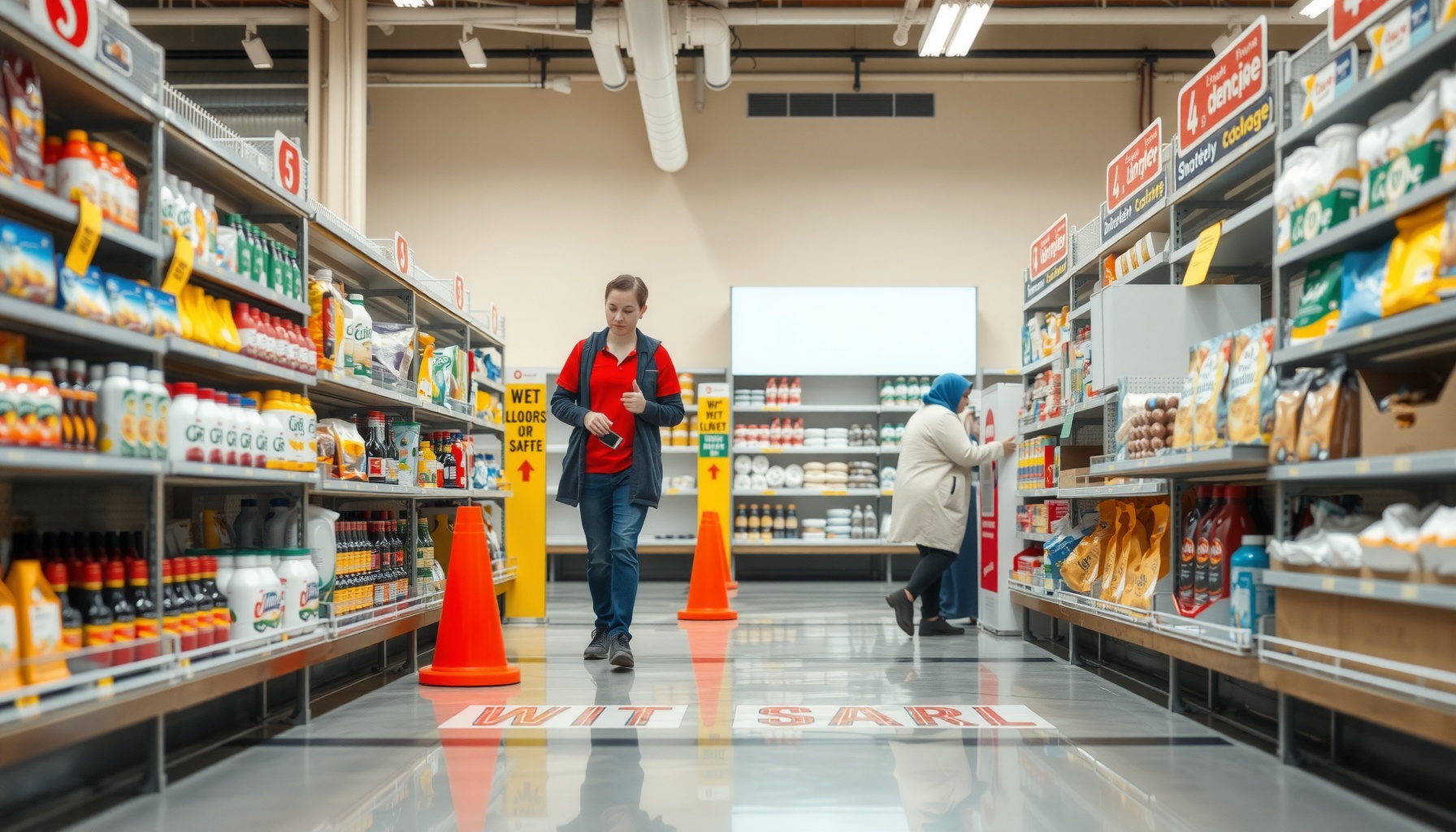
When it comes to slip and fall accidents in retail settings, the responsibility stretches beyond simple mishaps. Each year, countless shoppers suffer injuries due to ignored hazards or insufficient safety protocols.
Store owners and retail managers carry a profound legal duty to ensure customer safety by maintaining secure walkways and addressing spills promptly.
Failure to honor this responsibility can expose businesses to accident liability claims, leading to costly settlements and damaging reputations.
- Retail environments are tasked with proactive risk assessment strategies to reduce negligence claims and boost public safety.
- Duty of care is crucial for both owners and customers in navigating the aftermath of a slip and fall.
Leading into Premises-Liability Standards Explained, we delve into how these guidelines establish benchmarks for due care and shape the determination of liability.
Understanding Premises-Liability Standards
The premises-liability standards are fundamental to retail injury prevention strategies. They obligate owners to implement systematic hazard identification and slip prevention measures. These guidelines define a duty of care, requiring regular premises inspections to mitigate slip hazards effectively. For example, a notable liability case held a store legally accountable after ignoring wet floor alerts resulted in a customer injury, highlighting the necessity of rigorous risk management.
- Tip: Create a comprehensive maintenance schedule to enhance safety compliance and bolster staff training on safety procedures.
Grasping these standards equips retailers to avoid negligence claims and adhere to best practices in evidence collection and notice requirements.
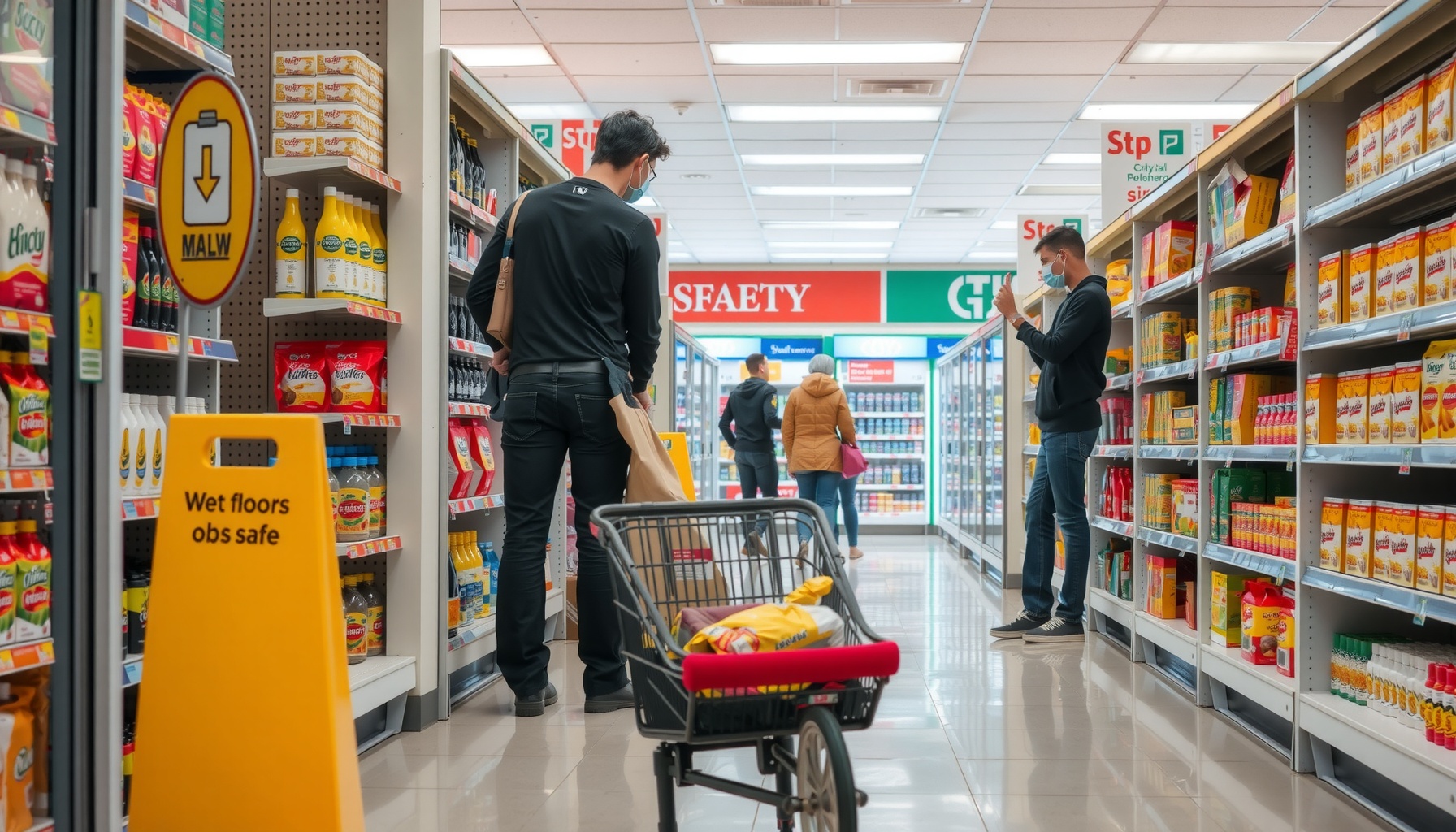
Introduction to Slip Hazards
Duty of care is integral in managing slip hazards within the retail industry. Incidents involving slip and fall events underscore the importance of hazard identification and proactive measures in enhancing customer safety.
Retail management must adhere to slip prevention strategies to reduce accident liability.
A thorough risk assessment ensures that safety protocols align with insurance coverage requirements, thereby minimizing legal accountability for facility owners.
Maintaining a consistent maintenance schedule is critical to counteracting negligence claims and ensuring visitor protection. Prompt hazard reporting and effective use of warning signage, such as wet floor alerts, play a pivotal role in preventing customer injury and reducing potential liability waiver issues.
Regular safety audits and the collection of accident witnesses’ statements are best practices that underpin the legal duty of owner responsibility and support public safety. Adhering to safety regulations and prioritizing injury prevention through proper floor maintenance and installation of slip-resistant materials enhances compliance with safety procedures.
Liability insurance and an informed legal defense further protect businesses from customer claims arising from slip hazards.
Regular premises inspection, combined with safety compliance measures, allows for proactive hazard control and adherence to legal standards.
Through accident investigation and retail management, a prevention strategy is developed to fulfill the legal obligation of risk management, ensuring that safety measures are in place for effective spill response.
How to Identify Slip Hazards
Premises liability standards mandate continuous assessment through hazard identification methods.
Effective customer safety strategies are paramount in minimizing liability.
Key Elements of Slip Hazard Identification
Premises inspection and detailed risk assessment procedures are foundational to safety compliance.
Regular inspections must be supplemented by notice requirements that alert staff to potential hazards.
Slip hazards such as wet floors, worn flooring materials, or obstructed walkways require immediate spill response.
Implementing a culture of safety protocols helps reduce legal accountability.
Evidence Collection Practices
For successful accident liability defense, comprehensive evidence collection is critical.
Accident documentation that includes digital photographs and statements from accident witnesses ensures robust legal defense. These best practices are integral to managing visitor protection and establishing a firm legal duty.
Legal Implications and Tools
Legal standards and safety regulations may necessitate the use of hazard marking tape or moisture detection kits.
Such tools are indispensable for accurate hazard mitigation and support effective safety audits.
Cultivating a proactive safety culture through regular training fosters hazard awareness and ensures that prevention strategy measures are consistently followed.
Slip Hazards
- Slip prevention strategies reduce accident liability and enhance customer safety.
- Regular safety audits and accident witness statements support legal duty and public safety.
- Premises inspections and risk assessments are essential for safety compliance.
- Comprehensive evidence collection, including digital photographs, is crucial for legal defense.
Retail Responsibilities for Safety and Legal Compliance
Duty of care is fundamental in retail environments, where hazard identification is critical for maintaining customer safety. Retailers must engage in regular premises inspection to identify and remedy potential risks, thus ensuring slip prevention and mitigating accident liability.
Effective risk assessment and adherence to safety protocols are vital.
Legal accountability requires a robust maintenance schedule and prompt spill response.
Here are some effective strategies:
- Implement a system for comprehensive hazard reporting and warning signage.
- Ensure regular employee training sessions on safety protocols and customer injury prevention.
Comparative negligence plays a significant role in legal defense. Employees should be prepared to conduct thorough safety audits and collect evidence, including accident documentation. This collection helps clarify liability and strengthens legal duty fulfillment.
What is Duty of Care for Retailers?
Duty of care obliges retailers to ensure a safe environment for all visitors, minimizing slip hazards. A retailer’s legal duty requires regular hazard identification and floor maintenance to prevent accidents. The following best practices are recommended:
- Conduct regular slip resistance tests and maintain a proactive spill response strategy.
- Adopt a comprehensive safety protocol that includes visitor injury prevention and protection measures.
Legal accountability arises from the retailer’s actions toward preventing identifiable risks.
Employees must follow established notice requirements to avert negligence claims. Legal standards dictate that swift hazard control measures are necessary, ensuring both premises liability compliance and public safety.
Retail Safety and Legal Compliance
- Regular inspections and hazard identification are essential for preventing accidents in retail environments.
- Employee training on safety protocols significantly reduces the risk of customer injuries.
- Swift spill response and maintenance schedules are crucial for legal compliance and accident prevention.
- Thorough safety audits and documentation strengthen legal defenses and clarify liability.
Duty of Care and Slip Prevention
Duty of care is a foundational concept in ensuring customer safety. Retailers must engage in hazard identification to minimize accident liability.
Implementing a risk assessment helps in developing effective safety protocols and optimal maintenance schedules.
To bolster customer safety against negligence claims and enhance visitor protection, establishments should invest in:
- Hazard reporting systems
- Warning signage and wet floor alerts
- Regular safety audits and accident investigation
- Comprehensive safety procedures and training
- Effective spill response and slip resistance improvement
These strategies not only assure legal accountability but also demonstrate owner responsibility to maintain public safety through safety compliance and proper floor maintenance.
Comparative Negligence in Slip Cases
The comparative negligence doctrine significantly impacts slip and fall litigation. Retail industry claims often rely on this principle to determine accident liability. When assessing cases, courts evaluate if the injured party ignored warning signage or missed wet floor alerts, potentially contributing to their own accidents. Evidence collection and meticulous accident documentation are essential.
Legal Defense and Case Analysis
Property owners may claim comparative negligence as a legal defense. They argue that visitors failed to exercise reasonable caution or adhere to hazard reporting systems. For example, if a shopper slips despite visible caution signs, the court might assign partial fault, reducing potential damages awarded to the plaintiff based on comparative negligence.
Recognizing these dynamics is key in crafting effective legal strategies. This understanding emphasizes the importance of maintaining consistent maintenance schedules and ensuring safety compliance within the retail sector.
Duty of Care and Slip Prevention
- Slip and fall accidents account for over 1 million hospital visits annually.
- Properly maintained floors can reduce slip and fall accidents by up to 50%.
- Businesses implementing effective safety protocols see a decrease in negligence claims.
- Regular safety audits can identify potential hazards before they lead to accidents.
Effective Strategies for Ensuring Customer Safety
Prioritizing customer safety is a fundamental legal duty for every business owner. Implementing thorough risk assessment procedures and adhering to safety protocols can drastically reduce accidents.
Regular floor maintenance and slip resistance testing are essential to prevent slip and fall incidents.
Ensuring the presence of clear warning signage and prompt spill response measures help in maintaining public safety.
Establishing a stringent maintenance schedule ensures that hazard control measures are effectively implemented.
Role of Staff Training and Customer Awareness
Employee safety training plays a pivotal role in accident prevention. By educating staff on proper accident documentation and hazard reporting techniques, businesses can ensure compliance with safety regulations.
Encouraging customer awareness about potential hazards can further enhance visitor protection. Providing guidance on flooring materials and hazard mitigation strategies strengthens the overall safety framework.
Best Practices for Evidence Collection
Effective slip prevention and robust evidence collection practices start with prompt hazard identification.
Capturing photos of the scene, including noticeable slip hazards and the presence or absence of warning signage, is essential to support negligence claims.
Involving accident witnesses through immediate collection of their statements bolsters accident liability cases.
Meticulous documentation of incidents reinforces legal accountability and prevents errors in evidence storage.
A case example illustrates that a well-structured prevention strategy can pivot on key evidence. A retail management team utilized detailed safety procedures and a checklist, which included video footage, ensuring reliable evidence for a successful liability defense.
- Checklist Deployment: Use a comprehensive checklist to ensure all necessary evidence is captured after a slip and fall incident.
- Staff Training: Regular training updates staff on accident investigation and proper evidence handling, mitigating risks associated with negligence claims.
Customer Safety
- Implementing risk assessment procedures can significantly reduce accidents.
- Regular floor maintenance and slip resistance testing are crucial for preventing slip and fall incidents.
- Safety training for employees enhances compliance with safety regulations.
- Effective evidence collection, including photos and witness statements, supports negligence claims.
Enhancing Retail Safety Standards
Duty of care is paramount for retailers who must engage in thorough hazard identification to ensure customer safety. Proactive measures like slip prevention strategies are essential in maintaining public safety.
A comprehensive risk assessment enables retail management to spot areas needing improved safety protocols.
By integrating regular safety audits and maintaining a detailed maintenance schedule, retailers can minimize accident liability risks.
Implementing Effective Safety Protocols
A strong emphasis on insurance coverage and legal accountability guides the formulation of robust safety protocols.
To prevent negligence claims, visitor protection is safeguarded through effective hazard reporting systems and strategically placed warning signage. Implementing wet floor alerts promptly addresses potential customer injury, reinforcing premises inspection protocols and bolstering slip resistance measures.
Understanding Legal Accountability in Retail
Retailers face a significant legal duty to ensure the safety of their premises, thereby preventing negligence claims.
The owner responsibility extends to maintaining adequate warning signage and addressing slip hazards promptly. In one case, a supermarket neglected repeated wet floor alerts, leading to a customer injury and highlighting how their comparative negligence defense faltered in court.
Regular safety audits and a digital incident logging system can aid evidence collection, supporting effective risk management and enhancing legal accountability.
Proactive Risk Management Strategies
Effective retail management requires a robust prevention strategy to fulfill their legal obligation and minimize liability.
Comprehensive safety measures, including a spill response plan, enhance customer awareness of potential hazards.
Property maintenance and systematic hazard awareness training are essential for aligning with legal requirements. Utilizing advanced flooring materials can further enhance visitor responsibility and facilitate a robust liability defense.
Regular safety evaluation and accident documentation reinforce safety compliance and minimize slip and fall incidents in the retail industry.
Retail Safety
- Regular safety audits help minimize accident liability risks.
- Effective hazard reporting systems prevent negligence claims.
- Digital incident logging supports effective risk management.
- Systematic hazard awareness training aligns with legal requirements.
Enhancing Retail Safety Measures
Duty of care plays a significant role in ensuring customer safety within the retail industry. Properly implemented safety protocols serve to prevent slip and fall accidents and minimize potential accident liability.
A comprehensive risk assessment should be conducted regularly, focusing on hazard identification and customer safety.
Integrating insurance coverage with these safety measures helps provide legal accountability and supports ongoing safety compliance.
Importance of Safety Protocols and Procedures
The establishment of effective safety protocols is a fundamental component of retail management.
Retailers must satisfy duty of care obligations, which include precise procedures for hazard identification and incident response. Adopting a Standard Operating Procedure (SOP) is a key strategy for reinforcing safety audits, ensuring timely accident documentation, and boosting overall safety awareness.
Key benefits of structured procedures include:.
- Enhanced employee safety training which is crucial for effective prevention strategy.
- Improved legal defense through clear liability waiver measures.
- Strengthened customer awareness, resulting in increased trust and satisfaction.
Linking protocols to documentation is vital in limiting accident liability and ensuring continuous improvement in public safety. Retailers that prioritize risk management create a safer environment, effectively reducing the likelihood of negligence claims. Strengthened attention to safety regulations, including the strategic placement of warning signage and execution of safety training, can significantly enhance visitor protection.
Retail Safety Measures
- Regular risk assessments help identify potential hazards and enhance customer safety.
- Standard Operating Procedures (SOPs) improve safety audits and increase safety awareness.
- Effective safety protocols can reduce the likelihood of negligence claims.
- Employee safety training is crucial for implementing a successful prevention strategy.
Understanding the Importance of Customer Safety Protocols
Duty of care is the foundation of customer safety, which begins with rigorous safety protocols in every retail environment. Safety protocols provide standardized steps for handling known risks, such as implementing notice requirements for wet floors or hazardous areas and ensuring consistent hazard identification throughout a store.
The value of these predefined safety measures lies in their ability to reduce accident liability and contribute to effective comparative negligence defenses should customer claims arise.
By making clear the legal significance of proper documentation and incident response, businesses strengthen their ability to defend against negligence claims and reinforce a culture prioritizing visitor protection.
How to Improve Customer Safety Awareness
Risk assessment is essential in promoting safety awareness among customers and staff.
Engaging campaigns that clearly communicate messages can bridge the gap between formal safety protocols and real-world behaviors. Warning signage at strategic entry points, regular safety talks for retail staff, and interactive training videos on slip prevention can all boost day-to-day vigilance.
Interactive Training and Engagement
Safety measures can be enhanced with interactive initiatives.
Launch a monthly “hazard reporting challenge” that empowers staff and customers to spot and report potential risks. This strategy increases customer awareness and promotes a shared duty of care throughout the store.
Not only does this make public safety a visible priority, but it also reinforces the importance of accountability measures by rewarding proactive participation in protection initiatives.
Customer Safety Protocols
- Implementing safety protocols reduces accident liability and supports comparative negligence defenses.
- Risk assessments and engaging campaigns enhance safety awareness among customers and staff.
- Interactive initiatives, like hazard reporting challenges, promote a shared duty of care and accountability.
- Proper documentation and incident response strengthen defenses against negligence claims.