


Every successful popup shop begins with understanding business licensing and zoning regulations. These compliance requirements can vary greatly by location, so researching municipal codes, securing the necessary business permits, and confirming allowable uses of desired temporary spaces is crucial.
Legal considerations also encompass commercial leasing and flexible tenant agreements, where clarity in lease negotiations ensures operational stability.
Proactive planning, detailed setup documentation, and robust insurance policies guard against regulatory errors, helping avert disruptions or fines.
Transitioning smoothly, understanding obligations linked to temporary retail permits becomes an essential milestone for aspiring popup owners.
Decoding Temporary Retail Permits
Starting a popup requires temporary retail permits, which are vital for establishing shortterm agreements compliant with local laws.
Unlike long-term permits, temporary permits allow operations for a limited duration under specific rules. Lease negotiations for these spaces often involve unique licensing procedures.
To expedite the permits processing, early research into local requirements and consultation with municipal officials or industry compliance experts is beneficial.
Ignoring this step can lead to legal issues such as fines or closures, underlining the importance of permits in temporary operations.
- Begin early research into local and industry compliance requirements to prevent unexpected delays.
- Engage local officials and employ licensing solutions for smoother approvals.
Transitioning from the legal framework to practical steps, understanding the dynamics of temporary retail permits lays a solid legal foundation for any popup shop.
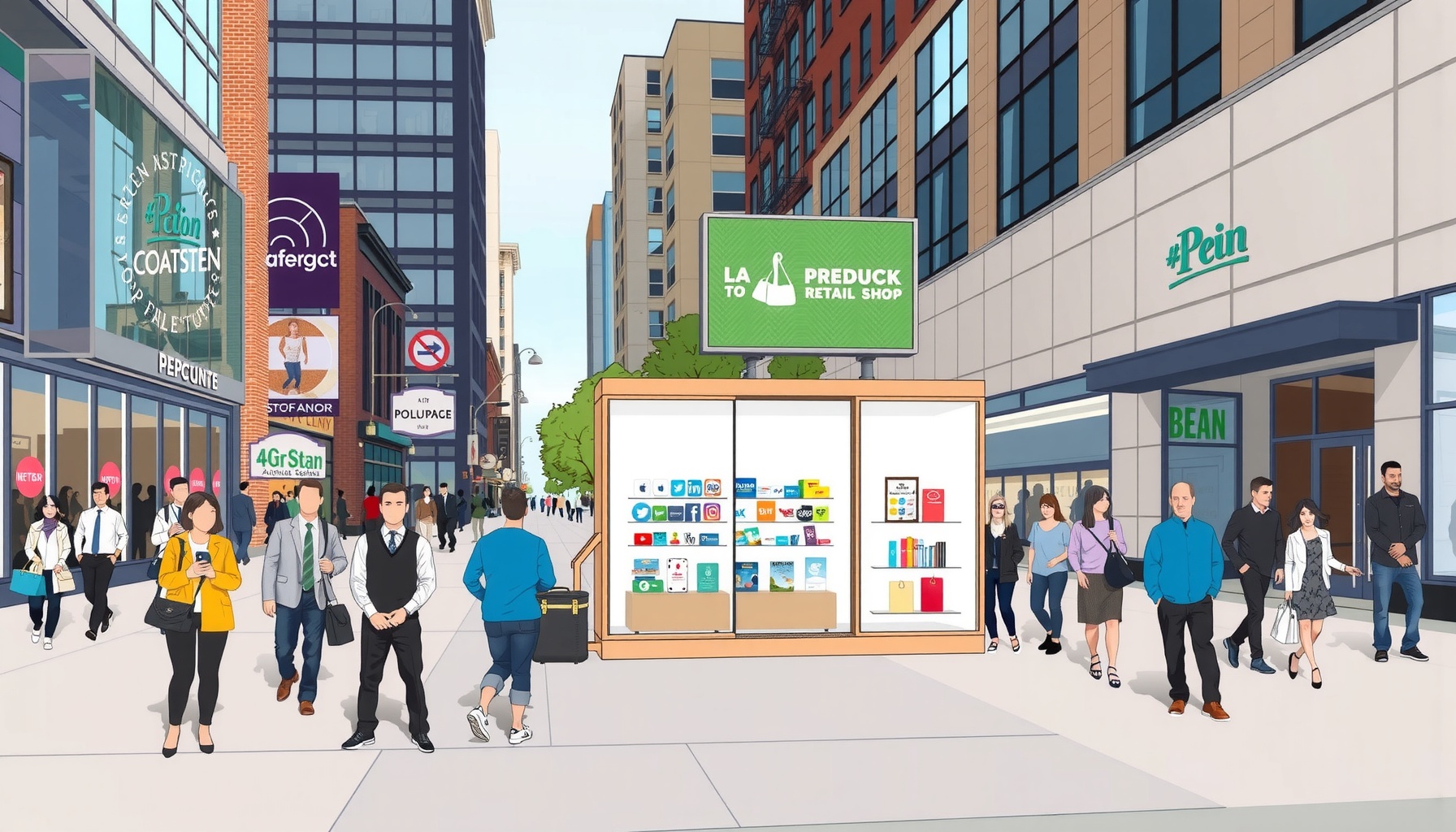
Licensing and Regulatory Considerations for Pop-Up Businesses
Temporary retail permits serve as an important foundation for establishing pop-up shops. Understanding the nuances of business licensing is essential in ensuring compliance with zoning regulations.
Transactional law often intersects with commercial leasing, making short-term agreements crucial for pop-up operations.
Adhering to zoning regulations before setting up can prevent unexpected setbacks.
Liability coverage and understanding tax obligations are important components of compliance. The need for retail licensing extends beyond permanent establishments to include municipal codes which dictate specific compliance requirements.
Commercial insurance ensures protection against unforeseen events.
Understanding Business Licensing for Pop-Ups
Compliance requirements must be met before a pop-up can operate legally.
The significance of temporary retail permits cannot be overstated.
While permanent licenses cater to long-term brick-and-mortar stores, pop-ups benefit from temporary-use permits which align with local zoning compliance.
These permits facilitate a smooth store setup.
Distinctions in Licensing
Business permits differ significantly from event permits, and understanding these differences is essential.
Tax compliance and occupancy permits also play roles in licensing. In this context, indemnity insurance and tax registration ensure the business operates free from risks.
Navigating Complex Licensing Requirements
Local government sites and business support organizations provide valuable resources for understanding licensing requirements.
Lease negotiations and property agreements form the backbone of successful pop-up environments.
Establishing tenant agreements and ensuring event regulations are adhered to prevents complications.
Ignoring compliance certification can result in costly penalties or sudden closures.
Pop-Up Business Licensing
- Temporary retail permits are crucial for pop-up shop compliance.
- Understanding zoning regulations helps avoid operational setbacks.
- Commercial insurance protects against unforeseen events.
- Local government sites offer valuable resources for licensing requirements.
Understanding the Role of Transactional Law
Transactional law plays a pivotal role in the framework of business licensing and commercial leasing. It acts as a guiding force, ensuring that all short-term agreements are legally binding and protective of the parties involved.
Through careful drafting of property agreements and tenant agreements, transactional law mitigates the risk of disputes, fostering a harmonious business atmosphere.
How Does Transactional Law Apply?
Engaging with transactional law is essential for effective lease negotiations in temporary retail permits.
It ensures that every detail, from rent escalation to exit clauses, is covered comprehensively within rental agreements, preventing potential misunderstandings.
For instance, when setting up a popup shop, transactional lawyers assist in acquiring temporary spaces and ensure adherence to zoning regulations and municipal codes.
Tax obligations are another sphere where transactional law is invaluable.
By facilitating early sales tax registration and ensuring alignment with fiscal registration requirements, it helps businesses stay compliant and avoid future pitfalls. Compliance certification with event permits and occupancy permits also falls under its purview, ensuring a seamless business registration process.
Practical Guidelines for Business Deals
- Insurance underwriting: Evaluate commercial insurance options for adequate tenant coverage and liability coverage.
- Licensing procedures: Assess licensing solutions and adhere to licensing requirements for industry compliance.
- Operation permissions: Verify all operating licenses and ensure proper tax compliance to support business permits approvals.
Proactively consulting a legal professional can enhance your understanding of agreement negotiations and help resolve landlord negotiations complexities.
Transactional Law
- Transactional law is crucial for ensuring legally binding short-term agreements in business licensing and commercial leasing.
- It aids in comprehensive lease negotiations, covering details like rent escalation and exit clauses in rental agreements.
- Transactional lawyers assist in acquiring temporary spaces and ensuring compliance with zoning regulations and municipal codes.
- It supports businesses in tax obligations, including sales tax registration and compliance certification with event and occupancy permits.
Introduction to Commercial Leasing
Temporary retail permits and business licensing serve as pivotal elements for entrepreneurs exploring the commercial leasing landscape, laying the groundwork for strategic expansion within regulated markets. Grasping commercial leasing is central to achieving fiscal security and operational growth.
The right lease agreement helps minimize liabilities, providing room for adaptation and success.
Navigating zoning regulations and adapting to market fluctuations highlight the necessity for detailed lease evaluations and adherence to business licensing protocols.
Utilizing temporary retail permits grants lawful access to dynamic retail spaces, inherently linked to liability coverage complexities as one learns the intricacies of commercial leasing challenges.
Navigating Commercial Leasing Challenges
Commercial leasing introduces an array of challenges that require comprehensive understanding and strategic foresight.
Liability Coverage and Risk Management
Liability coverage is essential when dealing with the multifaceted nature of lease negotiations for shortterm agreements. As operational risks coexist with legal duties, strong insurance underwriting for property agreements becomes indispensable.
Ensuring comprehensive protection against unforeseen liabilities fosters confidence and security.
Landlord Negotiations and Common Obstacles
Landlord negotiations often pivot on negotiating terms that address inevitable obstacles such as restrictive lease terms and ambiguous maintenance duties. Having an actionable strategy, such as emphasizing space leasing flexibility, empowers tenants during negotiations.
Public liability concerns and compliance requirements further underscore the complexity of these discussions.
Strategies for Favorable Lease Terms
Transactional law and informed strategies are key to securing favorable lease terms.
Emphasizing flexible shortterm agreements and examining competitive market rates can enhance bargaining power.
This approach aligns with both tenant expectations and evolving industry compliance standards.
Checklist for Effective Lease Review
Creating a thorough checklist is imperative for effective lease analysis. This checklist should encompass the following:
- Reviewing essential compliance certification clauses.
- Confirming the validity of temporary retail permits.
- Verifying tax registration and zoning compliance.
- Assessing business registration and potential agreement negotiations.
This ensures each rental agreement benefits all involved parties by safeguarding their interests and meeting operation permissions standards.
| Commercial Leasing Challenges | Strategies and Solutions |
|---|---|
| Understanding liability coverage complexities | Ensuring strong insurance underwriting |
| Negotiating restrictive lease terms | Emphasizing space leasing flexibility |
| Adhering to compliance requirements | Creating a thorough lease review checklist |
| Navigating zoning regulations | Verifying zoning compliance and tax registration |
Legal Considerations for Temporary Retail Permits
Temporary retail permits offer businesses the advantage of establishing a presence without long-term commitments. These arrangements require careful attention to business licensing and compliance with transactional law.
Commercial leasing can be a dynamic process, with short-term agreements providing flexibility but also posing challenges in terms of zoning regulations and liability coverage.
Key Benefits of Short-Term Agreements
- Lower Costs: Temporary agreements often demand less up-front financial commitment, easing store setup and fiscal registration.
- Flexibility: Short-term agreements allow businesses to adapt quickly, providing options for seasonal storefronts and event permits.
- Reduced Risk: Temporary spaces come with minimized long-term obligations, allowing for easier exit strategies.
Potential Drawbacks and Considerations
- Frequent Renewals: Lease negotiations might require regular renewals, increasing administrative work.
- Uncertainty: Tenant agreements may lead to uncertainty in occupant security, influencing business stability.
- Compliance Requirements: Businesses must ensure zoning compliance and fulfill municipal codes, including commercial insurance.
Successful management of short-term retail arrangements demands thorough planning. Establishing clear communication and creating detailed agreements ensure smooth operations. Remember these key steps to navigate short-term agreements efficiently:
- Clarify all compliance requirements and business licensing needs.
- Secure commercial insurance or liability coverage to protect operations.
- Register for necessary tax obligations and operational permits.
Short-term agreements can empower businesses by offering agile and effective retail solutions. They’re a promising choice for those looking to explore new markets or test innovative concepts without long-term commitment.
What Are Short-Term Agreements?
Temporary retail permits serve as a gateway to short-term agreements, offering businesses the chance to test markets with minimal risk. These agreements are an appealing choice for temporary spaces and seasonal activities. Exploring their potential benefits reveals lower upfront costs and easier exit strategies. Navigating lease negotiations effectively requires diligent attention to detail, fostering a smooth and successful business operation.
Steps to Ensure Success
- Compliance Requirements: Always confirm business licensing, zoning compliance, and tax registration.
- Insurance Needs: Establish commercial insurance policies to mitigate risks, including tenant coverage and event insurance.
- Clear Agreements: Draft detailed agreements to ensure understanding in property and venue negotiations.
By anticipating the needs of short-term arrangements, businesses can adeptly embrace temporary retail permits, facilitating swift and efficient market entry.
Temporary Retail Permits
- Temporary retail permits allow businesses to operate without long-term commitments.
- Short-term agreements provide flexibility for seasonal stores and event permits.
- Businesses must comply with zoning regulations and secure commercial insurance.
- Lower upfront costs and reduced long-term obligations are key benefits of short-term agreements.
Zoning Regulations for Retail Spaces
Temporary retail permits ensure that businesses comply with local rules. These zoning regulations are instrumental in determining where businesses can legally operate, influencing everything from business licensing to site selection.
Municipal codes, in particular, outline these regulations to maintain order, foster commercial growth, and enhance community harmony by designating specific areas for retail activity.
Understanding Zoning Categories
Most cities apply zoning categories such as:.
- Commercial Zones for business operations
- Mixed-Use Zones that blend residential and commercial functions
- Special Retail Districts tailored to unique retail environments
Importance of Compliance
Transactional law plays a role in ensuring compliance with zoning categories before setting up operations. Compliance requirements are crucial as businesses apply for store setup or operating licenses. Retailers must verify that their planned uses align with local zoning classifications. Encountering restrictions may necessitate applications for variances or rezoning. Non-compliance might lead to fines, legal disputes, and potential business closure. This underscores the necessity of diligent research and consultation with city planning authorities.
Strategies for Zoning Compliance
In the realm of commercial leasing, successful retailers proactively address zoning compliance. They often utilize government resources or hire experts to guide lease negotiations and secure long-term operation permissions. Engaging professionals in this process can prevent costly errors and ensure a smooth path to retail success.
Thorough understanding and compliance with local zoning laws are fundamental for any retailer aiming to establish a stable business presence.
For further insight, consider a case study of a retailer overcoming zoning challenges. This can provide practical guidance on navigating local zoning laws effectively.
Zoning Regulations
- Temporary retail permits ensure compliance with local rules.
- Zoning regulations determine legal business operation areas.
- Non-compliance may lead to fines, legal disputes, and closures.
- Engaging professionals helps prevent costly zoning errors.
The Importance of Comprehensive Coverage in Retail
Transactional law plays a pivotal role in shaping how retailers navigate modern challenges. With the ever-evolving commercial leasing landscape, short-term agreements become increasingly prevalent.
Retailers must navigate zoning regulations and ensure compliance with temporary retail permits to stay compliant and competitive.
Commercial leasing agreements often expose retail businesses to unexpected risks.
Navigating these risks effectively requires a strong grounding in business licensing and transactional law.
This grounding is essential for not only compliance requirements but also for smooth lease negotiations and adherence to municipal codes.
Retailers must ensure their strategies include strong liability coverage policies.
Ensuring Proper Liability Coverage
Temporary retail permits and event permits require attention to liability coverage. For store owners, liability coverage serves as a critical shield against unforeseen incidents like customer injuries or property damage, which can arise in busy retail environments.
It’s essential to have robust insurance policies in place that are tailored to specific business needs, including insurance underwriting and indemnity insurance to mitigate these risks.
- Choose the right coverage: Business permits should align with your operational scope. This includes considerations for commercial insurance that covers store setup documentation and tenant coverage requirements. Balance cost and protection, ensuring policies cover both retail operations and specific challenges related to space leasing or short-term agreements.
- Common mistakes to avoid: Underestimating coverage often leads to financial pitfalls. Retailers should avoid overlooking the necessity of regular compliance certification and tax obligations reviews. Failure to do so can result in costly lawsuits or claims that exceed minimal policies, highlighting the importance of periodic policy assessment to match evolving legal obligations and sales permits.
Effective lease negotiations for retail spaces rely on demonstrating robust public liability insurance, creating confidence for both tenants and landlords while aligning with local compliance requirements.
Retail Coverage
- Transactional law is crucial for navigating modern retail challenges.
- Short-term commercial leasing agreements are increasingly common.
- Liability coverage is essential to protect against customer injuries and property damage.
- Insurance underwriting and indemnity insurance are necessary to mitigate retail risks.
Understanding Business Licensing and Its Connection to Taxes
Temporary retail permits are foundational for pop-up retail shops, affecting every facet of your venture. Securing proper business licensing is a key compliance requirement before operations can commence.
Transactional law and zoning regulations dictate that these permits must be in place to ensure legal operations.
Short-term agreements often hinge on these permits, which play a pivotal role in local tax collection and reporting.
Tax obligations arise when permits are granted, linking your shop’s legitimacy to timely tax registration and ongoing compliance.
Commercial leasing should not be pursued until all licenses are secured to avoid potential pitfalls. Preparing your setup documentation for lease negotiations or rental agreements ensures streamlined operations.
Continue to the next section to learn about efficiently managing your fiscal responsibilities in Meeting Your Tax Obligations.
Meeting Your Tax Obligations
Retail licensing is the first step toward ensuring your pop-up shop meets tax obligations. Commercial insurance plays an essential role in identifying deductible expenses, impacting overall profitability.
Effective tax compliance begins with organized record-keeping detailing each transaction.
This diligence helps avoid costly penalties and interest charges associated with overdue filings.
Strategies for Staying Compliant
Business licensing ties directly into fulfilling tax duties.
Failing to register or remit taxes can result in suspended permits or operating licenses, ending your temporary venture prematurely. Implementing compliance solutions can simplify your tax obligations.
Utilize digital compliance or accounting software to categorize receipts and expenses in real-time, streamlining fiscal registration.
Tip: Use accounting software for real-time tracking of sales and expenses. This will ease burdens during tax season by providing organized, categorized financial data.
Business Licensing and Taxes
- Temporary retail permits are essential for legal pop-up shop operations.
- Business licensing is crucial for compliance before starting operations.
- Tax obligations are linked to securing the necessary permits.
- Organized record-keeping is key to effective tax compliance.