
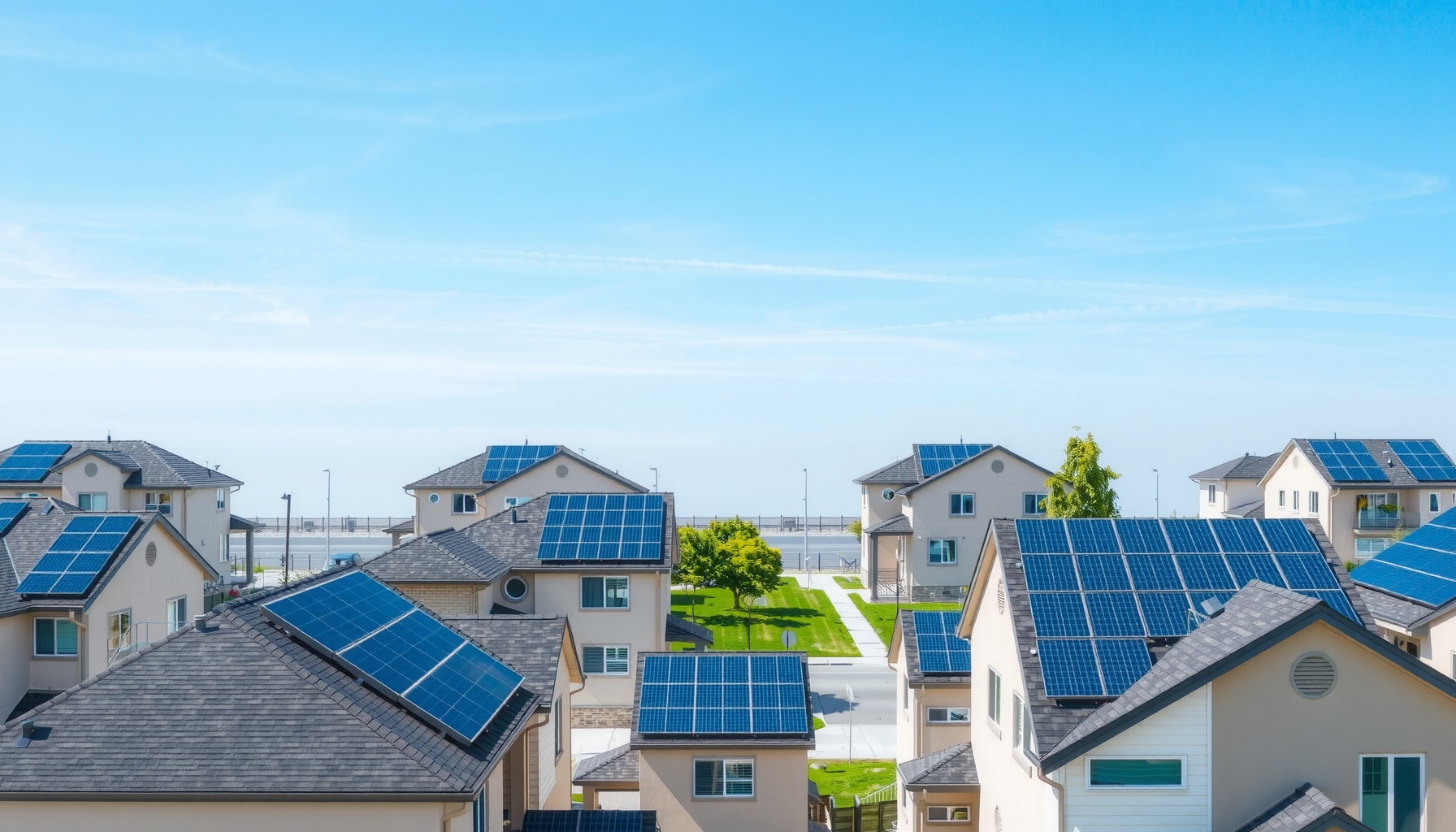
Innovation in environmental regulations is transforming how rooftops contribute to clean energy, streamlining processes, and boosting outcomes in urban and suburban landscapes.
Environmental regulations for rooftop solar installations establish precise guidelines for siting, safety, and environmental compliance that promote the adoption of photovoltaic systems while safeguarding communities and ecosystems. Solar-friendly codes synchronize energy policy objectives with pragmatic design standards, facilitating smooth reviews and predictable timelines for rooftop solar implementation.
Modern regulations promote low-impact designs, secure fire access, and robust system design, cutting down on changes and soft costs.
Regulatory bodies increasingly tie code amendments to carbon reduction and energy efficiency goals, creating a sustainable framework for scalable achievements.
These regulations seamlessly transition into the permitting process, where documents, inspections, and approvals bring policy into concrete projects, leading to the next phase: “Permitting Process for Solar Panel Installation. ”
Permitting Process for Solar Panel Installation
Success in solar panel installation requires mastering local regulations and providing a comprehensive, inspector-ready package upfront.
Solar permitting process initiates with confirming zoning permissions and roof load capacity in relation to the local energy code, ensuring fire-clearance paths are maintained for safety. Environmental regulations are directly linked to building code compliance, necessitating the inclusion of stamped plans, equipment details, and grid connection diagrams.
To enhance efficiency, adhere to previous tips: utilize jurisdiction checklists, consistently name files, and confirm contractor licensing ahead of time.
Steps to secure a permit:
- Verify scope and site data; craft one-line diagrams and load calculations.
- Submit precise plans, structural endorsements, and product certifications.
- Promptly address comments; schedule inspections early.
Case in point: A residential solar application was approved on the first review by meeting setback requirements, providing clearly labeled wiring diagrams, and enclosing interconnection pre-approval—allowing for swift finalization and facilitating easy installation and net metering.
Understanding Photovoltaic Systems and Building Codes
Smart technology enhances solar panel installation through more predictable design-and-permit packages. Successful photovoltaic systems still depend on correctly aligning equipment, wiring, and structure with enforceable codes, which enable safe grid connection.
Aligning building code compliance for solar systems with NEC, IRC, and IECC standards ensures that photovoltaic systems use UL-listed inverters and modules.
These are suitable for utility interaction and rooftop mounting safety.
Proper planning for solar incentives in residential and commercial projects should anticipate interconnection agreements, referencing these codes to streamline grid connection approvals.
Key Compliance Aspects
- UL Listings: Ensure inverters align with UL 1741 and modules with UL
- Structural/Fire Considerations: Address roof loading, access pathways, and fire classification needs.
- Documentation: Provide single-line diagrams, disconnect locations, and proper labeling.
Energy Storage Overlaps
Integrating energy storage requires coordinated rapid shutdown, battery listings, and clear utility disconnects, all on the same planning sheets. Tip: Utilize local permit templates and installer expertise to efficiently navigate energy code chapters. A case study from Sonoma County demonstrates that submitting standard electrical plans, structural criteria, and manufacturer specifications can lead to smooth, code-backed interconnection approvals.
Grid Connection and Interconnection Agreements
Solar energy systems are subject to policy reforms that link utility approvals to documented safety measures. Early, code-ready photovoltaic system designs can significantly expedite utility interconnect timestamps.
Solar interconnection agreements frequently include net metering, which compensates exported energy as meters verify bidirectional flows. Referring to the previous photovoltaic systems section, maintaining code-compliant equipment and layouts reduces review cycles. Aligning with the solar permitting process—via single-line diagrams, disconnects, and UL-listed inverters—ensures utility validation without repeating contract details.
Utility Requirements
- Verify Requirements: Regularly check utility technical standards and update forms every quarter.
- Confirm Labeling: Ensure meter and disconnect placards match the plan set.
- Document Tests: Support applications with inverter settings and anti-islanding confirmations.
Ensuring Effective Grid Integration
Strengthen project approval chances by maintaining continuous communication with utility engineers and Authorities Having Jurisdiction (AHJs). Preserve change logs and align export controls with tariff rules to support solid grid integration and program eligibility.
| Compliance Aspect | Details |
|---|---|
| UL Listings | Ensure inverters align with UL 1741 and modules with UL |
| Structural/Fire Considerations | Address roof loading, access pathways, and fire classification needs. |
| Documentation | Provide single-line diagrams, disconnect locations, and proper labeling. |
Energy Storage Solutions and Compliance
Photovoltaic systems benefit greatly from energy storage solutions, which add resilience and predictable returns when combined with a compliant grid connection. This ensures adherence to energy code and local building requirements.
Energy storage enhances rooftop solar array performance by shifting midday generation to peak evening demand, thereby improving reliability and supporting grid integration measures like demand charge reduction and frequency response.
Essential grid connection advantages include the opportunity to capitalize on time-of-use arbitrage and to mitigate curtailment while meeting environmental compliance and energy standards.
Case Study: Optimal Energy Storage Use
An exemplary scenario involves a grocery store that leverages energy storage by charging its batteries at noon and discharging them from 5–9 p. m.
This practice effectively reduces demand charges and protects refrigeration systems, ultimately enhancing system design. This strategic approach not only complements net metering but also broadens overall energy efficiency and promotes sustainable energy strategies.
How Does Net Metering Work?
Solar tax credits frequently align with net metering frameworks, making it crucial to synchronize the permitting process and interconnection timing.
This coordination enhances project financing outcomes, ensuring seamless adoption of renewable sources. Energy storage serves as a valuable adjunct by storing surplus electricity for later self-consumption when export compensation falls below retail rates, thereby optimizing energy efficiency and project payback.
Maximizing Solar Tax Credits
- Residential solar owners should track utility tariff updates and meter aggregation rules.
- Coordinate with contractor licensing and compliance checklists to maintain benefits amid grid modernization changes.
- Optimizing net metering: Schedule EV charging, water heating, or HVAC precooling during peak solar production to boost on-site electricity use, exporting only surplus.
By adhering to these practices, property owners can ensure maximum utilization of their solar energy systems while navigating evolving energy policies and regulations.
Energy Storage and Net Metering
- Energy storage solutions enhance photovoltaic system performance by allowing energy generated at midday to be used during peak evening demand.
- Net metering frameworks, when aligned with solar tax credits, improve project financing and facilitate the adoption of renewable energy sources.
- Residential solar owners can maximize solar tax credits by optimizing net metering and scheduling energy-intensive activities during peak solar production.
- Effective energy storage use in commercial settings, such as grocery stores, can reduce demand charges and protect critical systems like refrigeration.
Exploring Solar Tax Credits and Incentives
Solar panel installation projects today benefit from various clean energy incentives aimed at reducing emissions. These incentives serve as a bridge between financing strategies and environmental goals by rewarding projects that achieve carbon reduction.
Complementing Financing Strategies
Photovoltaic systems financial models, such as residential and commercial solar incentives, integrate smoothly with earlier project financing approaches like leasing options and Power Purchase Agreements (PPAs).
This integration lowers overall net costs, enhancing access to these renewable sources without repeating federal tax incentives information.
Unique Incentive Programs
Sustainable building codes are bolstered by energy-efficient policies, exemplified by New York’s NY-Sun initiative.
This program provides a community adder for shared solar arrays, specifically benefiting low-to-moderate income (LMI) customers.
It links awards to actual energy efficiency outcomes, advancing sustainable architecture in the process.
Streamlining Permitting and Interconnection
The solar permitting process is further expedited by grid integration advancements, offering time-saving pre-approval tracks. This efficiency collaborates with solar interconnection agreements and utility “bring-your-own-battery” rebates, effectively reducing localized emissions.
This sets the stage for exploring how clean energy impacts compliance with environmental standards.
Impact of Clean Energy on Environmental Compliance
Energy solutions derived from clean energy adoption showcase improved environmental outcomes. As grid connection processes advance, lenders increasingly embed performance covenants in financing structures, linking photovoltaic systems outputs to specific environmental compliance milestones.
Project Financing and Environmental Goals
Solar thermal projects often utilize project financing methods such as green loans or ESG-linked facilities to reduce interest rates, contingent upon measurable carbon reduction.
Independent production certificates and rigorous Measurement and Verification (M&V) procedures help in verifying these reductions.
Examples of Environmental Success
Energy storage solutions have demonstrated significance in projects like hospital retrofits.
By leveraging storage to reduce peak demand, these projects meet air-quality permit requirements and unlock financing incentives tied to performance standards.
System Design and Compliance
Solar interconnection agreements streamline net metering processes, ensuring the emissions profile aligns with local energy code thresholds.
This example underscores how a well-structured financing strategy and thoughtful system design can achieve measurable and compliant environmental benefits.
Solar Incentives and Environmental Impact
- Solar tax credits and incentives help reduce project costs and promote clean energy adoption.
- Programs like NY-Sun specifically support low-to-moderate income customers with shared solar arrays.
- Streamlined permitting and interconnection processes enhance efficiency and reduce emissions.
- Energy storage solutions in projects like hospital retrofits help meet air-quality standards.
Navigating Project Financing and Green Initiatives
Solar tax credits have revolutionized project financing, enabling organizations to meet stringent energy codes while supporting sustainable building and carbon reduction goals. This alignment of capital and green outcomes is not just a trend—it’s a Blueprint for future developments.
Leveraging Credits and Incentives
- Connect credits to strategy: Solar tax credits can be paired with state clean energy incentives, lowering costs and enhancing DSCR, all while ensuring compliance with evolving performance standards and green codes.
- Boosting Asset Value: Renewable sources like utility-scale solar reduce expenses and hedge against price volatility, thereby supporting long-term asset value through energy efficiency and carbon reduction.
Tip—integrate early: Integrating solar incentives into planning from the predesign stage helps streamline processes, ensuring a smooth permitting process and compliance with the utility grid connection requirements.
Streamlining Implementation
- Implementation strategy: Solar energy system installations require careful planning around energy policy, ensuring interconnection agreements and environmental compliance are prioritized to avoid project delays.
- Focus on Future Readiness: Rooftop solar and photovoltaic systems enhance portfolio standards, aiding the transition to grid modernization and increasing project attractiveness.
By incorporating a robust strategy for financing and clean energy initiatives, projects not only enhance their viability but also contribute to broader goals of environmental sustainability and energy independence. These efforts, using advanced panel technology and smart system design, are essential for progressing toward net zero buildings and the wider transition to renewable sources.
| Project Financing Benefits | Green Initiative Advantages |
|---|---|
| Solar tax credits reduce costs and enhance DSCR | Utility-scale solar reduces expenses and hedges against price volatility |
| Integrating incentives early streamlines permitting processes | Rooftop solar enhances portfolio standards and grid modernization |
| Careful planning ensures compliance and avoids delays | Advanced panel technology aids in achieving net zero buildings |