
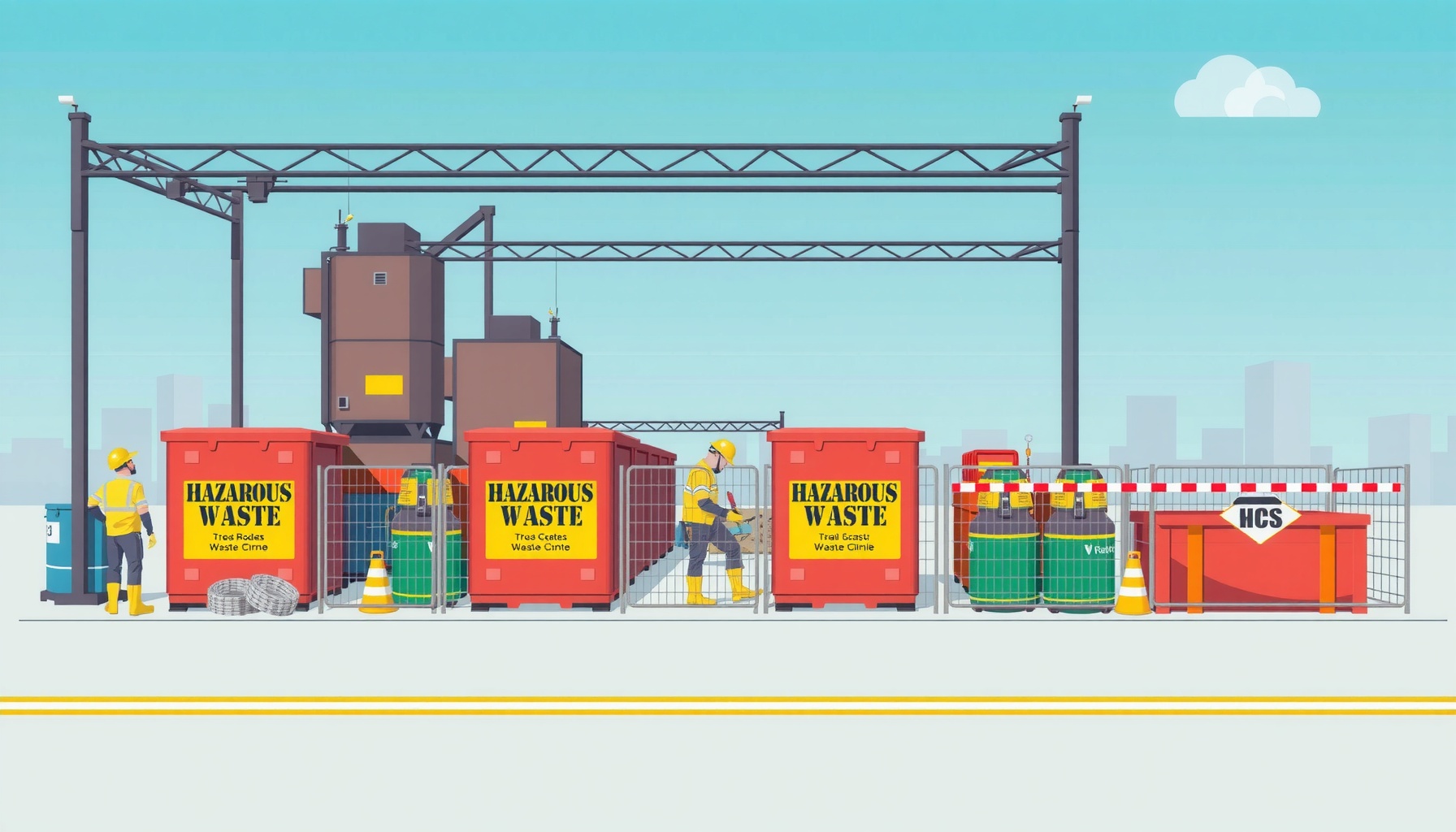
The hazardous waste management cycle begins with meticulous vigilance, as the Environmental Protection Agency (EPA) reminds us that millions of tons of regulated waste annually affect public health and ecosystems. Those designated as hazardous waste generators bear a crucial task in ensuring these substances are securely contained and tracked per the stringent RCRA regulations.
The key generator responsibilities entail safe handling and compliance with all legal mandates.
Core Responsibilities
- Executing waste identification and categorization aligned with EPA guidelines
- Maintaining compliance with hazardous waste manifest requirements for proper waste transport and disposal
Adhering to environmental compliance is essential, not just as good practice but as a community safeguard against penalties. This preparedness fuels a transition towards understanding EPA generator classifications.
Demystifying EPA Generator Classifications
Forming the backbone of regulatory standards, EPA generator classifications are critical to effective waste minimization and sustainability efforts. Classification hinges on generator status, determined by the volume of hazardous waste produced, thus affecting regulatory obligations. Organizations frequently confront classification hurdles:
Common Challenges
- Deciphering EPA regulations regarding generator classifications
- Accurately classifying mixed or variably produced wastes
An emblematic case illustrates the consequences of misclassification, where a business faced severe penalties for erroneous classification of hazardous substances, leading to expansive waste treatment actions. As such, remaining compliant with evolving classification standards safeguards against regulatory missteps.
Misclassification can result in significant penalties, impacting both financial stability and organizational reputation. Complying with current classification standards is critical for meeting regulatory thresholds.
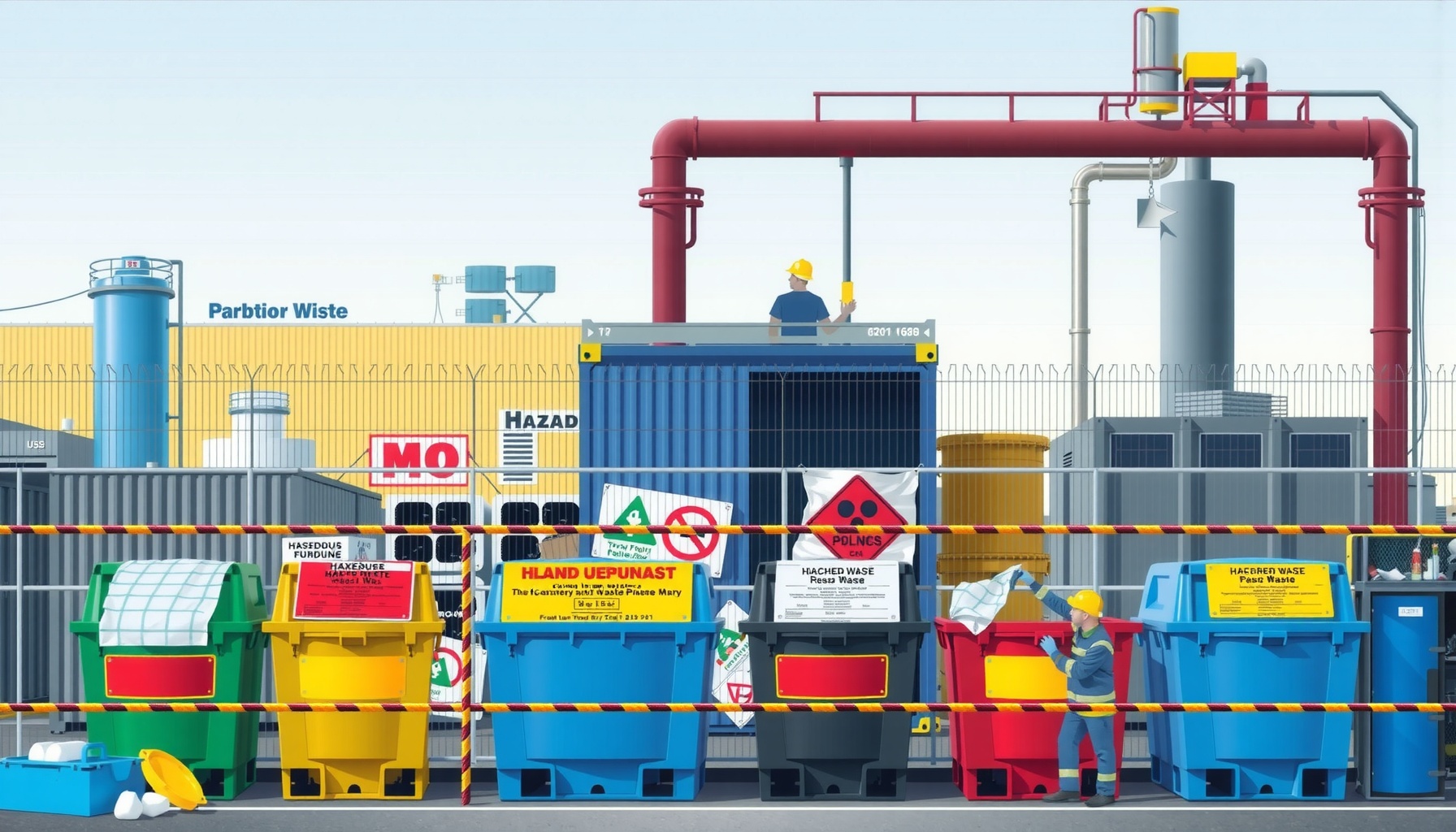
Unveiling the Mechanics of Waste Minimization
Hazardous waste management hinges on robust systems and strategies designed to reduce waste at the source. Among these, manifesting requirements play a crucial role in ensuring transparency and accountability.
The manifest system enables facilities to meticulously track hazardous materials from generation through waste transport to final disposal.
Examples of Successful Programs
Several industries have showcased exemplary waste minimization practices that align with EPA guidelines:
- Manufacturing companies have decreased waste by adopting waste reduction techniques, transitioning from large quantity generators to small quantity status.
- Firms focusing on waste recycling initiatives have significantly cut costs and environmental impact.
Practical Tips for Waste Management
Conduct comprehensive waste characterization audits. By separating waste by type and volume, businesses can uncover inefficiencies and opportunities for improvement.
Leveraging these insights can lead to enhanced waste minimization strategies, paving the way for sustainable practices throughout hazardous waste operations. This holistic approach ensures compliance with RCRA regulations.
Steps Forward
As we delve deeper into implementing waste minimization practices across various sectors, the focus will shift to actionable steps that every organization can integrate into their environmental protection policies.
How Does Waste Minimization Work?
Manifesting requirements form the backbone of transparency in hazardous waste management, helping organizations systematically track the generation, transport, and proper disposal of hazardous substances. By requiring detailed documentation through the manifest system, facilities are often able to spot inefficiencies and areas for improvement, paving the way for effective waste minimization programs. Numerous businesses, such as manufacturing companies with robust waste reduction plans, have shifted from large quantity generators to small quantity status after implementing targeted reduction strategies. A practical tip for ongoing improvement: conduct thorough waste characterization audits that separate waste by type and volume, revealing patterns and opportunities for sustainable change as outlined in EPA guidelines. Transitioning from understanding these mechanics, the next section explores practical steps for implementing waste minimization practices in diverse industries.
Waste Minimization
- Waste minimization strategies are essential for reducing hazardous waste at the source.
- The manifest system is crucial for tracking hazardous materials from generation to disposal.
- Successful waste minimization can lead to cost savings and reduced environmental impact.
- Conducting waste characterization audits helps identify inefficiencies and opportunities for improvement.
Responsibilities for Hazardous Waste Generators
Hazardous waste management requires careful attention to EPA generator classifications, as these directly impact regulatory responsibilities and operational procedures. Generator status—whether large quantity, small quantity, or conditionally exempt—determines the extent of oversight needed and accurate classification is fundamental for compliance with RCRA regulations.
- Cradle-to-grave liability ensures that hazardous waste generators maintain responsibility for their waste until final disposition, from generation to approved treatment or disposal, adhering to environmental protection policies.
- Non-compliance consequences include severe penalties for improper disposal, environmental damage, and reputational harm, emphasizing the importance of clear recordkeeping requirements and proper waste characterization.
Mastering these generator responsibilities is essential as operations transition to detailed manifesting requirements, which are integral to effective hazardous waste management.
Understanding Manifesting Requirements
Manifesting requirements are the cornerstone of environmental compliance for hazardous waste generators, ensuring that all documentation during the waste shipping process is accurately maintained. Manifest system needs each shipment to be tracked with precise EPA identification numbers, ensuring proper disposal methods are adhered to and minimizing the risk of penalties for improper hazardous waste disposal.
- Compliance tip: Establish a manifest review protocol to verify details such as generator status, waste container labels, and accumulation start date before submission. This step helps avoid common manifesting errors.
- Pitfalls include errors like incorrect waste classification, missing signatures, or incomplete waste tracking, which can violate regulatory thresholds and incur hefty fines from state hazardous waste regulations.
By integrating precise manifesting practices into your waste management plan, you support the broader objectives outlined in hazardous waste generator standards.
Hazardous Waste Management
- Hazardous waste generators are subject to EPA classifications that dictate their regulatory responsibilities.
- Cradle-to-grave liability ensures generators are responsible for waste from creation to disposal.
- Non-compliance with hazardous waste regulations can result in severe penalties and environmental harm.
- Accurate manifesting is crucial for compliance and involves tracking waste shipments with EPA identification numbers.
Waste Storage Standards and Guidelines
Hazardous waste management requires comprehensive knowledge of storage standards to safeguard human health and the environment. Effective waste minimization involves selecting appropriate waste containers, applying accurate hazardous waste labels, and conducting routine waste treatment inspections.
RCRA regulations dictate that generator status influences storage time limits and maximum waste accumulation.
Adhering to these standards, supported by both EPA guidelines and state hazardous waste regulations, is essential for maintaining compliance and ensuring emergency preparedness.
Key Aspects of Waste Storage Standards
- Generator Responsibilities: Hazardous waste generators must strictly follow storage standards to prevent environmental contamination and protect human health.
- Regulatory Compliance: EPA guidelines, along with OSHA standards, enforce storage limitations based on waste characterization and generator classifications.
- Emergency Preparedness: A robust contingency plan and regular inspections ensure that waste storage areas are ready for unexpected events.
Common Storage Non-Compliance Issues
- Improper waste accumulation can lead to penalties for improper disposal.
- Failure to maintain accurate recordkeeping requirements under RCRA regulations.
- Neglecting regular inspections, increasing risks of hazardous materials leaks.
Tips for Effective Storage Inspections
To enhance environmental compliance, integrate a waste tracking system during inspections. Check each storage area for proper labeling and ensure accumulation start dates are documented. Implement a waste minimization plan to support waste reduction and comply with hazardous waste operations requirements.
Waste Storage Standards
- RCRA regulations determine storage time limits based on generator status.
- EPA and state regulations guide hazardous waste storage compliance.
- Routine inspections help prevent hazardous material leaks.
- Proper labeling and recordkeeping are essential for regulatory compliance.
Understanding Hazardous Waste Management
Hazardous waste management requires careful planning and adherence to regulations to ensure safe disposal and environmental protection. Organizations must follow EPA guidelines for waste characterization and apply appropriate waste minimization strategies.
Proper waste accumulation and storage limitations play a crucial role in maintaining environmental compliance.
To achieve compliance, companies must implement waste management plans that include monitoring the accumulation start date, ensuring correct hazardous waste labeling, and adhering to storage time limits.
Penalties for Improper Disposal Explained
Environmental compliance mandates impose significant penalties for improper disposal of hazardous waste.
These measures safeguard public health and the environment by deterring violations. One notable case involved a company fined millions for violating RCRA regulations by mismanaging hazardous substances.
Such incidents highlight the importance of adhering to proper disposal methods and maintaining a thorough recordkeeping system.
Organizations can avoid these penalties by developing a robust contingency plan, conducting regular waste training for employees, and utilizing the EPA’s manifest system to track waste shipments.
Compliance strategies include following state hazardous waste regulations, applying for a hazardous waste permit, and ensuring adequate emergency preparedness. Regular audits and hazardous waste reporting are essential in identifying areas for improvement and reducing the risk of non-compliance effectively.
Hazardous Waste Management
- Organizations must adhere to EPA guidelines for waste characterization.
- Improper disposal of hazardous waste can result in significant penalties.
- Regular audits and hazardous waste reporting are essential for compliance.
- Developing a robust contingency plan can help avoid penalties.
Understanding Hazardous Waste Management
Hazardous waste management is a vital aspect of environmental compliance, involving the proper handling, storage, and disposal of hazardous substances. Adhering to RCRA regulations assists in maintaining a safe environment by ensuring waste treatment standards are met.
Companies must assess their waste accumulation to determine generator status accurately, which influences their obligations under manifest system rules.
Proper management not only aids environmental protection policies but also minimizes penalties for improper disposal.
What Are Hazardous Waste Generators?
Generator classifications play a key role in regulatory compliance for businesses managing hazardous materials.
The amount of hazardous waste produced per month determines their status within the EPA guidelines. Large Quantity Generators (LQG) produce over 1,000 kilograms of waste monthly and must secure a RCRA identification number while adhering to comprehensive manifesting requirements for each waste shipment.
Small Quantity Generators (SQG) create between 100 and 1,000 kilograms, requiring adherence to specific storage limitations and recordkeeping requirements. Very Small Quantity Generators (VSQG) generate 100 kilograms or less, yet must ensure proper waste disposal and waste tracking.
- Tip for determining generator status: Conduct regular audits of your facility’s waste accumulation monthly to accurately classify your status and comply with manifest system requirements.
| Generator Classification | Requirements |
|---|---|
| Large Quantity Generators (LQG) | Produce over 1,000 kg; require RCRA ID number and comprehensive manifesting |
| Small Quantity Generators (SQG) | Produce 100-1,000 kg; must adhere to storage limitations and recordkeeping |
| Very Small Quantity Generators (VSQG) | Produce 100 kg or less; ensure proper waste disposal and tracking |
Environmental Compliance Through Effective Waste Management
Hazardous waste management is an essential aspect of maintaining environmental compliance. To align with EPA guidelines, facilities must implement robust waste treatment and universal waste practices.
Waste minimization strategies can significantly reduce the environmental impact and storage time limits associated with hazardous materials.
RCRA Regulations and Their Importance
RCRA regulations form the foundation of environmental protection policies by setting comprehensive standards for waste accumulation, waste transport, and waste disposal.
These regulations specify how hazardous waste generators should handle waste characterization and establish generator responsibilities to ensure compliance with state hazardous waste regulations.
- Waste container standards are pivotal under the RCRA regulations, requiring safe setting up of waste storage areas and proper hazardous waste labeling to prevent contamination.
- Penalties for improper disposal can be severe. For example, if a generator neglects the manifest system or recordkeeping requirements, they may face significant fines for improper waste shipment or disposal.
Environmental Compliance and RCRA Regulations
Environmental compliance involves adherence to RCRA regulations, which set strict storage standards. These guidelines ensure hazardous waste operations safeguard communities and environmental resources. To manage hazardous substances effectively, facilities must maintain a valid EPA identification number, adhere to waste treatment standards, and establish an effective contingency plan for emergencies.
- Generator status affects the level of compliance required, with specific guidelines for both small and large quantity generators.
- Waste management plan involves timely inspections and compliance checks to ensure that waste handling procedures align with current regulations. Missed inspections or improper recordkeeping can lead to penalties.
Overall, ongoing compliance necessitates regular waste training and audits. Empowering staff to handle hazardous waste generators’ responsibilities is vital for adapting to evolving waste streams and maintaining compliance with regulatory thresholds.
Environmental Compliance
- Hazardous waste management aligns with EPA guidelines to reduce environmental impact.
- RCRA regulations are crucial for setting waste management standards and ensuring compliance.
- Environmental compliance includes maintaining an EPA identification number and a contingency plan.
- Regular waste training and audits are essential for ongoing compliance and adapting to waste streams.
Key Responsibilities for Hazardous Waste Generators
Hazardous waste management regulations significantly influence generator responsibilities, requiring adherence to both federal and state laws to minimize liability and environmental impact. The generator status determines the complexity of requirements, affecting actions from waste characterization to proper documentation and tracking.
Organizations must follow the hazardous waste manifest system and observe waste storage practices and storage limitations to prevent environmental contamination.
- Storage standards for hazardous waste require choosing appropriate waste containers and applying clear hazardous waste labels.
- Recordkeeping requirements and managing the waste accumulation start date are crucial for maintaining accountability, supporting the regulatory thresholds set by RCRA.
Moving towards emergency preparedness and contingency plans, it is essential for organizations to understand generator responsibilities to respond effectively if hazardous substances pose immediate threats.
Emergency Preparedness and Contingency Plans
Effective emergency preparedness is integral to waste management and involves creating robust contingency plans for hazardous materials. Generator responsibilities include aligning these plans with emergency preparedness strategies, as outlined by regulatory bodies. EPA guidelines underscore that each contingency plan should cover several essential elements:
- Identifying potential emergencies related to stored or transported hazardous waste, such as spills, fires, or exposure to hazardous substances, to ensure environmental compliance.
- Establishing clear communication protocols and emergency contacts to enable prompt responses and coordination among relevant personnel.
Organizations should routinely conduct emergency drills with all key staff members for effective emergency preparedness. These drills should vary in nature and frequency. A well-maintained contingency plan will not only enhance waste handling procedures but also ensure the minimization of risks associated with hazardous waste facility incidents by regularly evaluating team performance and updating protocols.
Hazardous Waste Management
- Hazardous waste generators must comply with both federal and state regulations to minimize environmental impact.
- The Resource Conservation and Recovery Act (RCRA) sets regulatory thresholds for waste management accountability.
- Emergency preparedness plans should include communication protocols and routine drills to ensure effective responses to potential threats.
- Proper labeling and container selection are essential for safe hazardous waste storage to prevent contamination.