
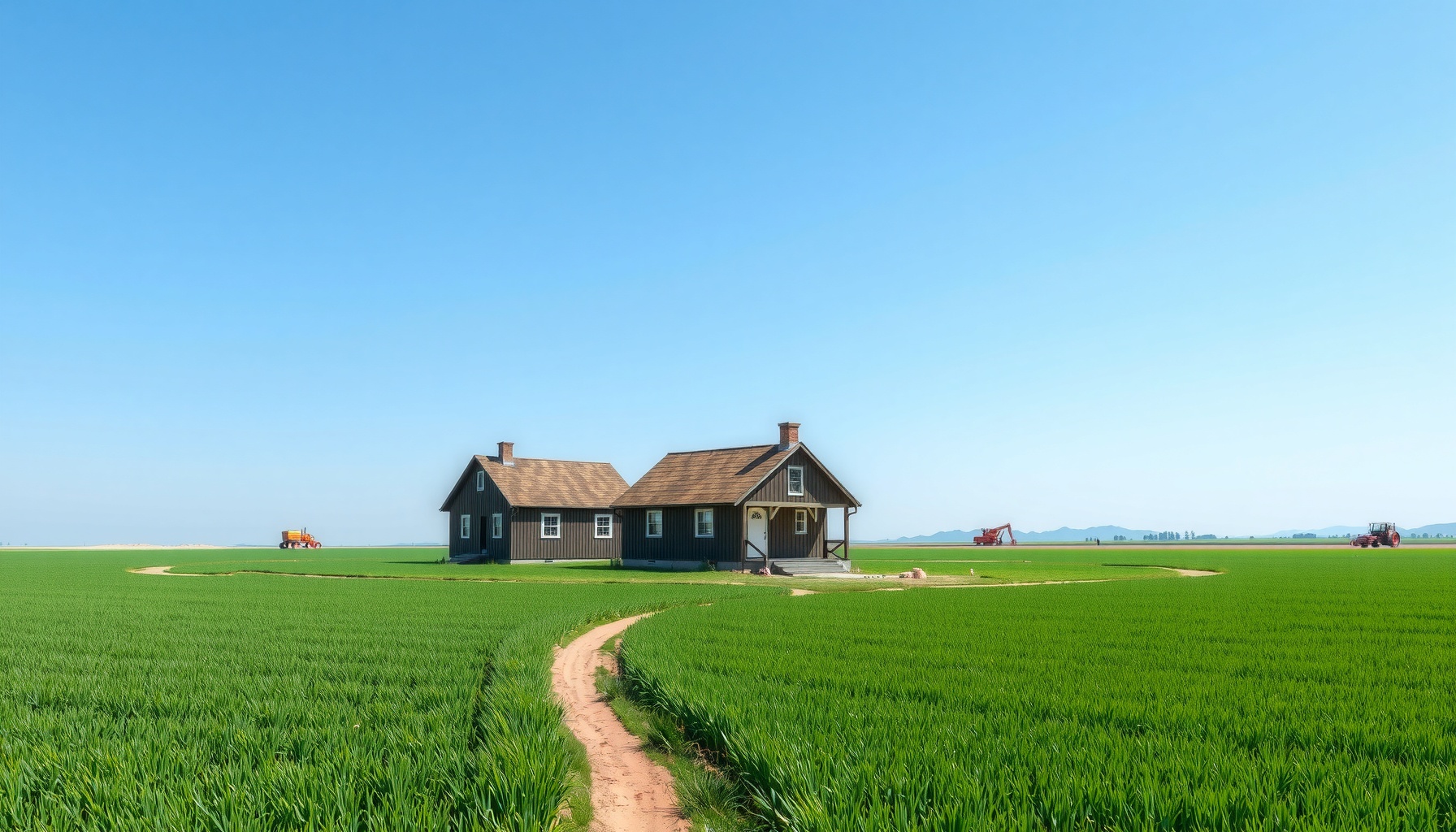
Compliance guidelines play a crucial role in ensuring accommodation standards for rural workforce housing and migrant housing rules.
Employers must respect tenant rights, adhere to labor laws, and maintain fair labor standards to enhance agricultural laborer accommodation.
Regular inspections and adherence to quality standards ensure safe and healthy living conditions for workers.
Employer obligations include upholding structural safety and sanitation, aligning with state and federal regulations.
By embracing seasonal lodging policies and fair practices, agricultural operations support advocacy and equitable access for all employees.
As we discuss housing-code requirements and explore zoning regulations, these frameworks significantly impact every aspect of worker accommodation.
Housing-Code Requirements and Zoning Regulations
Zoning regulations dictate where rural workforce housing can be developed, affecting agricultural laborer accommodation and its occupancy. The recent housing code updates emphasize fire safety, sanitation, and structural safety for seasonal workers.
Compliance with health codes is vital, requiring employers to ensure access to drinking water and emergency provisions under environmental health guidelines.
Tips for Navigating Local Regulations
- Seek assistance from legal experts for permits and enforcement issues.
- Engage with community projects to understand agreements and avoid discriminatory zoning.
- Promote sustainable practices to support fair labor and workforce programs.

Understanding Tenant Rights in Rural Workforce Housing
Zoning regulations significantly influence the tenant rights of agricultural laborers inhabiting rural workforce housing. These regulations ascertain what is legally permissible such as occupancy, accommodation standards, and landlord responsibilities.
Often, housing providers in agricultural zones must comply with specific quality standards, adhere to health codes, and observe occupancy limits to ensure the safety and structural safety of accommodations[1].
Tenant rights within these zones encompass several protections:
- The right to appeal landlord decisions, a mechanism deeply rooted in compliance guidelines and local laws governing farm labor housing[1].
- Protections against evictions related to zoning permit changes or shifts in the tenant’s employment on the farm.
A common dispute scenario may arise when landlords seek eviction due to zoning permit alterations or because tenants cease performing farm work. Practical solutions to such disputes:
- Utilizing a tenant grievance and appeals process.
- Seeking mediation through community projects or advocacy groups.
- Engaging in legal recourse to ensure equitable access and justice initiatives that protect the rights of rural workers[1][3][4].
Coordination with community entities often leads to fair resolutions and enhanced living conditions for all parties involved, ensuring better compliance with evolving migrant housing rules.
Wage-and-Hour Implications for Agricultural Laborers
Fair labor standards for agricultural laborers have a rich history tracing back to initial wage regulations adjusted to meet rural workforce housing needs and justice initiatives. Presently, employer obligations extend beyond ensuring a minimum wage; they must also provide safe accommodation standards compliant with federal labor laws.
Essential amenities for laborers include:
- Provision of clean drinking water.
- Adequate seasonal lodging facilities.
Recent legal cases have emphasized clarity on issues like deductions and onfarm policies, firmly establishing rights related to overtime pay and health code enforcement in agricultural laborer accommodation. For employers, achieving robust compliance involves:
- Conducting regular inspections of housing conditions.
- Auditing payroll practices to prevent unjust deductions and improve fairness.
- Educating workers on fair practices agreements to enhance awareness and adherence to existing labor laws.
Employers are encouraged to prioritize community projects that foster equitable access and promote sustainable practices, creating a harmonious work environment and upholding compliance with agricultural labor regulations.
| Tenant Protections | Employer Obligations |
|---|---|
| Right to appeal landlord decisions | Ensure minimum wage and safe accommodations |
| Protections against evictions due to zoning changes | Conduct regular inspections of housing conditions |
| Utilizing a tenant grievance and appeals process | Audit payroll practices to prevent unjust deductions |
What Are Health Codes and Compliance Guidelines?
Zoning regulations lay the groundwork for health codes, determining the placement and nature of agricultural laborer accommodation. Health codes require landlords to meet precise standards like sanitation, structural safety, and the quality of drinking water to protect tenant rights and ensure safety.
Compliance guidelines are maintained through regular inspections.
For instance, a Connecticut housing facility faced penalties due to ignored minimum standards, highlighting the need for meeting code requirements.
Landlord responsibilities encompass creating compliance checklists, conducting timely inspections, and addressing issues promptly to promote adherence to migrant housing rules and support equitable access for seasonal lodging.
Ensuring OSHA Safety Standards in Migrant Housing
Fire safety is an essential aspect of OSHA safety standards, particularly in rural workforce housing. Employer obligations include functional alarms, accessible exits, and safe electrical wiring installations.
Migrant housing rules frequently encounter violations in areas such as the improper placement of fire extinguishers and inadequate living conditions, jeopardizing both worker accommodation quality standards and resulting in legal penalties.
Key OSHA Standards
OSHA safety standards mandate ongoing safety training for employers. Effective safety training includes workforce programs that cover emergency provisions, chemical handling, and evacuation procedures.
Employee accommodation strategies are strengthened by regular inspections and open communication.
These practices ensure building codes not only meet regulatory compliance but also uphold fair practices in housing safety for all residents.
Health Codes and OSHA Standards
- Zoning regulations influence the setup of agricultural laborer accommodations.
- Regular inspections are crucial to uphold compliance guidelines and tenant safety.
- OSHA safety standards emphasize fire safety and proper emergency training.
- Landlord responsibilities include maintaining compliance checklists and addressing issues promptly.
Employer Obligations for On-Site Amenities
Employer obligations encompass a wide range of responsibilities, particularly in providing essential amenities for agricultural laborer accommodation. Employers must adhere to compliance guidelines, directly linked to wage-and-hour obligations, ensuring a conducive working environment.
Essential Amenities for Worker Well-being
Accommodation standards dictate that employers provide fundamental amenities, including:
- Clean drinking water to ensure worker health and safety.
- Well-maintained, sanitary restrooms to maintain hygiene standards.
- Accessible rest areas for timely breaks, promoting worker recuperation and job satisfaction.
- Adequate dining facilities aligning with health codes, fostering a balanced work environment.
Legal Implications of Non-Compliance
Failure to meet these standards can lead to severe legal repercussions, including fines or lawsuits under fair labor standards. Employers are required by labor laws to conduct routine inspections, ensuring all onfarm policies comply with established guidelines. This proactive approach minimizes risks associated with non-compliance.
Case Study: Effective Amenity Management
An insightful case study highlights a rural workforce housing program that thrived through effective amenity management. Routine inspections and transparent policies not only ensured compliance but also contributed to higher morale and reduced turnover, underlining the significance of comprehensive employer obligations.
Fire Safety and Structural Integrity in Housing
Fire safety and structural integrity are paramount in workforce housing, particularly in seasonal lodging. This section addresses the need for robust safety measures, referencing stringent OSHA standards.
Understanding Structural Risks
Health codes emphasize addressing common structural risks, including:
- Poor ventilation impacting environmental health.
- Outdated wiring and inadequate sanitation affecting safety.
- General construction flaws compromising living conditions.
Recent incidents involving fire code breaches, such as missing smoke detectors, have reinforced the necessity for stringent employer obligations in maintaining fire safety standards. Breaches result in serious penalties and potential evacuations.
Safety Checklist for Compliance
Ensuring fire safety involves:
- Installation and regular testing of smoke detectors to prioritize safety.
- Ensuring fire extinguishers are accessible on every floor for immediate response.
- Maintaining unobstructed emergency exits and clear signage to enable swift evacuations.
- Scheduling routine inspections for structural safety and sanitation compliance.
Integrative compliance strategies protect not only worker accommodation but also strengthen overall rights and safety, reinforcing the importance of adhering to established guidelines.
Employer Obligations
- Providing clean drinking water is crucial for maintaining worker health and safety.
- Routine inspections help ensure compliance with labor laws and minimize legal risks.
- Effective amenity management can lead to higher employee morale and reduced turnover.
- Failure to comply with fire safety standards can result in serious penalties and evacuations.
How Do Permits and Inspections Affect Housing?
The role of permits and inspections is fundamental in ensuring fire safety and maintaining structural safety within agricultural laborer accommodation. Every stage of construction must adhere to rigid compliance guidelines to safeguard occupants.
The Role of Zoning Regulations
Zoning regulations play a significant part in shaping the outcome of inspections by dictating land use limitations.
Inspectors focus on sanitation, emergency provisions, and other key areas that impact community health codes, ultimately ensuring the safety of residential zoning areas.
Streamlining the Permitting Process
Streamlining the permitting process through digital applications and enhanced coordination can reduce bottlenecks.
This supports efficient project initiations, enhances affordability, and improves worker accommodation quality.
A well-structured process allows for timely inspections, maintaining equitable access and strengthening compliance with building and living conditions standards.
The Impact of Delayed Inspections
Delayed inspections, often resulting from complex approval chains, can stall development, inflate costs, and postpone essential fire safety checks. Such delays negatively affect living conditions and worker accommodation.
Ensuring timely inspections and transparent permitting processes helps maintain compliance with construction quality standards and health outcomes, which is crucial for seasonal lodging and rural workforce housing.
By addressing these areas, we can promote safe and effective housing solutions for agricultural workers, ensuring equitable access and fostering sustainable community development.
| Aspect | Impact |
|---|---|
| Permits and Inspections | Ensure fire and structural safety |
| Zoning Regulations | Influence sanitation and community health codes |
| Streamlined Permitting | Reduces bottlenecks and improves affordability |
| Delayed Inspections | Inflate costs and affect living conditions |