
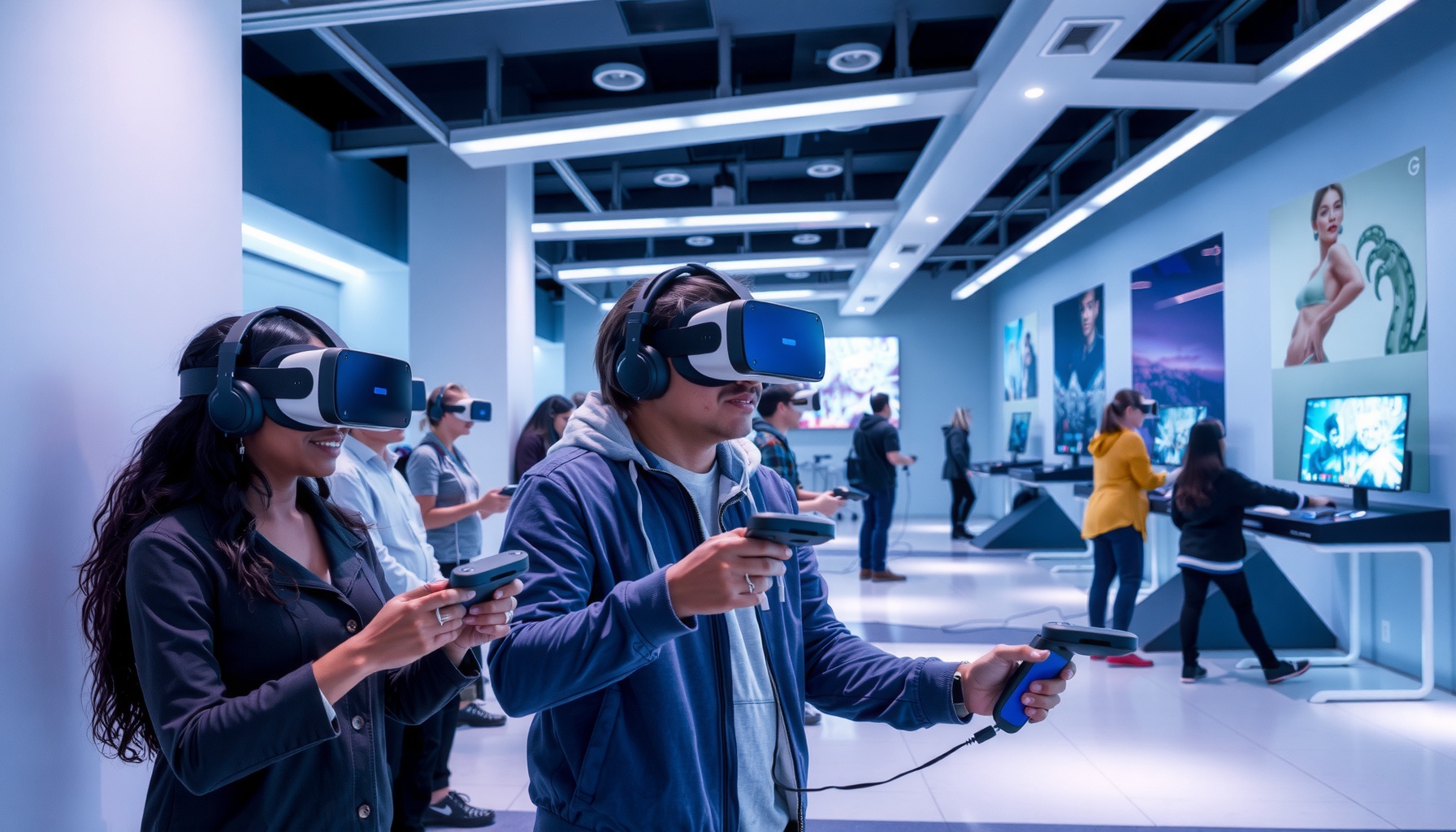
The rise of virtual reality arcades comes with a unique set of responsibilities. As immersive experience risks associated with virtual hazards grow, operators must prioritize legal considerations to protect both patrons and themselves.
With the increasing popularity of VR, risk management and premises liability adaptation have become essential. Ensuring participant safety and maintaining operational safety compliance are paramount.
Navigating VR legal frameworks requires consistent equipment inspections and strict participant guidelines to ensure effective injury prevention strategies.
Failure to meet duty of care can result in litigation processes, underlining the necessity of comprehensive safety standards.
This foundational understanding sets the stage for examining VR premises liability more deeply.
Exploring Premises Liability in VR
Premises liability adaptation is pivotal in shaping how VR arcades approach safety and legal considerations. The intersection of equipment liability and injury prevention strategies is crucial.
Past incidents, such as slips or collisions, have resulted in claims due to insufficient safety compliance.
A noteworthy case involved hazard identification failures leading to an operator liability ruling.
Key Elements of Premises Liability
- Operational guidelines are indispensable, requiring routine safety audits and effective participant education to fulfill duty of care.
- User agreements must be comprehensive, including protocol training and outlining immersive experience risks.
- Regular maintenance schedules and the use of protective gear enhance injury prevention strategies for everyone involved.
VR arcade owners must integrate these practices into their operations to mitigate potential liabilities.
Proactive Tips for Arcade Operators
Prioritize a thorough risk assessment to identify potential hazards and implement effective injury prevention measures. By fostering a culture of safety, operators can engage participants while minimizing risks, ensuring a seamless and secure VR experience for all.
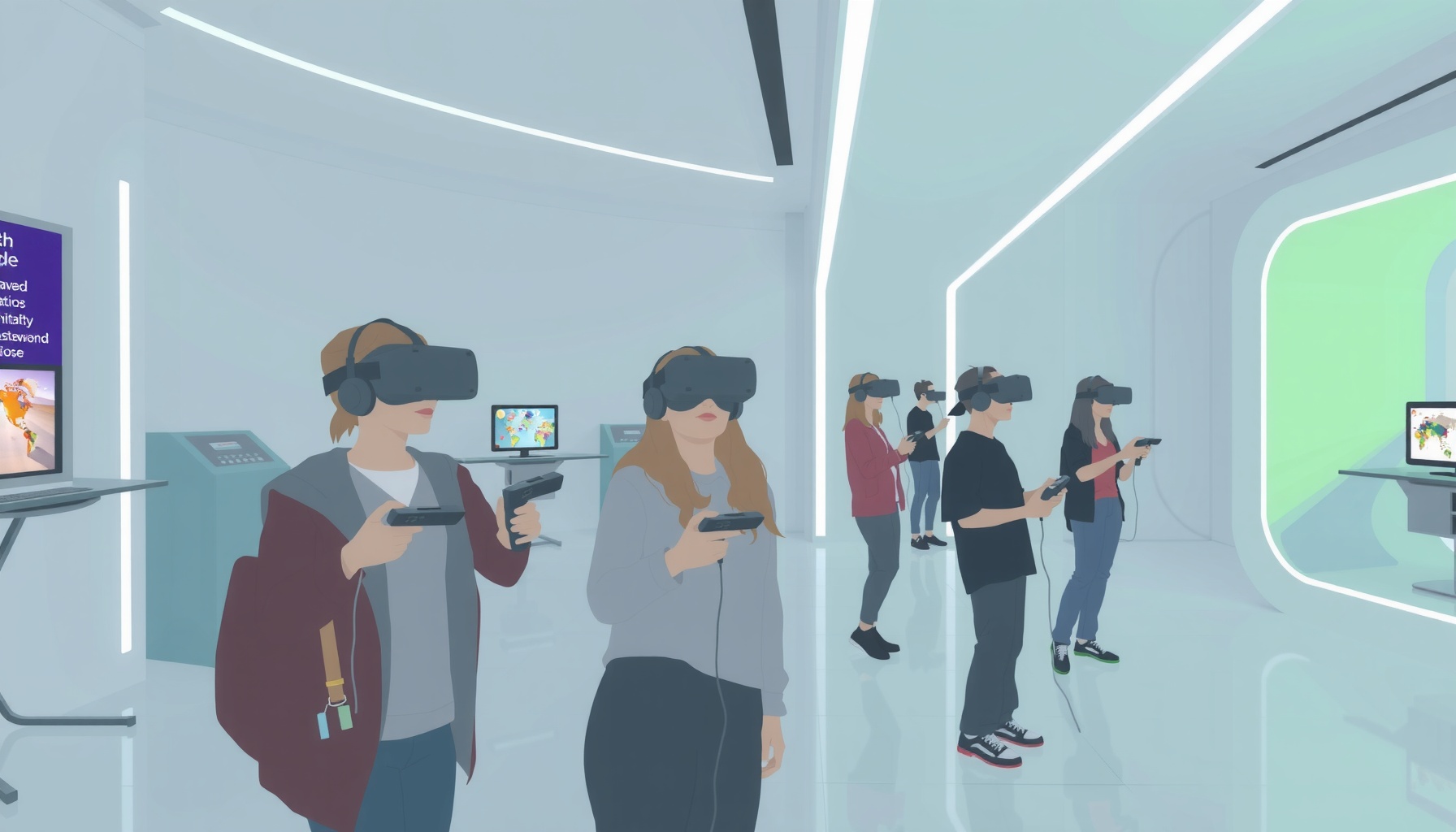
How Do Virtual Hazards Affect Safety?
Premises liability adaptation in virtual reality arcades requires an understanding of how virtual hazards can impact user safety. Legal considerations now extend to cover immersive experience risks such as avatar harassment, digital stalking, or sudden disorientation.
These challenges mirror dangers found in physical environments, elevating the importance of injury prevention strategies.
An example includes a situation where a player collided with a barrier, leading to minor injuries, as explored through new litigation processes. This incident highlights the operator’s duty of care and necessitates updated waiver forms and participant guidelines.
The introduction of electronic waivers and briefing protocols helps manage risk management and compliance guidelines efficiently, setting a precedent in VR legal frameworks.
Key Injury Prevention Strategies for Arcades
Injury prevention strategies play a pivotal role in ensuring arcade safety as technology advances. Participant education is integral, utilizing mandatory safety videos and interactive demos to inform users about potential risks and operational guidelines.
A historical precedent, like introducing safety harnesses in entertainment settings such as climbing gyms, showcases the effectiveness of clear communication and protective gear. These strategies significantly reduce injuries by aligning with safety compliance standards.
Compliance monitoring includes digital logging of safety checks and protocol training, ensuring visibility for periodic compliance audits.
Equipment inspections are scheduled regularly, supported by maintenance schedules, to address equipment liability and VR policies.
This structured approach ensures adherence to legal mitigation and creates protective measures through participant responsibility and usage policies.
Virtual Hazards and Safety in Arcades
- Premises liability adaptation requires understanding virtual hazards like avatar harassment and digital stalking.
- Legal considerations now cover immersive experience risks, necessitating updated waiver forms and guidelines.
- Injury prevention strategies include mandatory safety videos and interactive demos for participant education.
- Compliance monitoring involves digital logging of safety checks and regular equipment inspections.
Effective Risk Management for VR Experiences
Premises liability adaptation is essential for the safe operation of VR environments. By integrating risk management strategies that address virtual hazards, VR businesses can ensure safety compliance while considering parental consent and the age verification process.
Drawing from fields such as aviation and healthcare, industries with robust injury prevention strategies, VR operators should implement proven models like routine equipment inspections and safety audits.
Technological innovations also play a significant role.
Real-time monitoring systems help detect issues before they escalate, effectively managing immersive experience risks.
By combining these approaches with strong parental consent protocols and continuous safety audits, VR venues can enhance premises liability adaptation and build user trust, aligning with comprehensive VR regulations.
Why Are User Agreements Crucial?
User agreements are foundational for maintaining VR policies and ensuring safety compliance. These agreements help define participant responsibility and guide operational safety.
Incorporating electronic waivers and explicit risk disclosures ensures adherence to participant guidelines and VR legal frameworks.
Illustrating their impact, one VR arcade effectively reduced litigation processes by crafting comprehensive agreements. These agreements detailed health and safety measures, equipment liability, and age access policies.
A practical tip involves simplifying legal terms to ensure informed consent is easily understood.
This strategy bridges the gap from risk management to compliance guidelines, emphasizing the importance of user agreements throughout VR engagements.
Supporting Facts for VR Risk Management and User Agreements
- Integrating risk management strategies from industries like aviation and healthcare can enhance VR safety compliance.
- Real-time monitoring systems are crucial for managing immersive experience risks effectively.
- Comprehensive user agreements can significantly reduce litigation processes by detailing health and safety measures.
- Simplifying legal terms in user agreements ensures informed consent and bridges the gap to compliance guidelines.
Parental Consent and Age Verification Importance
Addressing premises liability adaptation is essential as VR arcade operators face increasing regulatory pressure to validate the age verification process and secure parental consent. Both of these play a critical role in safety audits and liability for injuries in virtual reality arcades.
Challenges in Enforcing Age Policies
- Fake IDs and unsupervised minors create substantial risk.
- Device sharing complicates strict VR arcade age restrictions.
Implementing staff training on technology-based solutions can overcome these challenges.
Case Study: A High-Profile Compliance Breach
One notable case involved a failure in verification, leading to unauthorized access and resulting in reputational harm, alongside a costly compliance overhaul.
Tips for Accurate Age Verification
- Incorporate multilayer checks—such as ID scanning and digital confirmation.
- This strategy strengthens operational risk management and ensures compliance with evolving standards.
Ensuring Safety Compliance in VR Arcades
Utilizing premises liability adaptation, operators adopting rigorous safety compliance measures directly reduce VR premises liability and reinforce user trust. Deploying structured compliance strategies is crucial.
Strategies to Improve User Safety
- Implement detailed inspection routines and staff safety training.
- Follow adherence to operational guidelines for mitigating virtual hazards.
Case Example: Compliance Breach in a U. S. Arcade
A breach due to neglected health and safety measures led to multiple injuries. This incident prompted immediate updates, including mandatory briefing protocols and real-time compliance monitoring.
Maintaining High Compliance Standards
Assigning a dedicated compliance officer, alongside utilizing automated safety compliance tools, is effective. These measures protect against litigation and ensure adherence to VR arcade age restrictions, fostering a safe environment for all participants.
VR Arcade Compliance
- Age verification processes are crucial to prevent unauthorized access and ensure safety.
- Parental consent is a key factor in addressing liability for injuries in VR arcades.
- Implementing multilayer age verification checks can enhance risk management.
- Staff training and technology-based solutions help enforce age policies effectively.
What Are VR Safety Audits Necessary For?
Premises liability adaptation plays an integral role in ensuring the safety of VR environments. Virtual hazards highlight the need for VR safety audits as immersive experience risks increase in complexity within these modern settings.
These audits meticulously assess hardware, software, and user agreements, alongside age verification processes, enabling strong safety compliance for all users.
VR regulations guide every step, ensuring operational guidelines are consistently met.
Comprehensive Analysis
An effective audit goes beyond the basics.
It involves risk management through meticulous equipment inspections and hazard identification processes. User agreements and informed consent signify participants’ acknowledgment of risks.
Among notable real-world results, DHL’s implementation of safety audits stands out, achieving a complete reduction in injury-related lost time, showcasing the benefits in injury prevention and operational safety.
Checklist for Self-Audits
Conducting a self-audit efficiently requires a structured approach. Safety audits begin with equipment inspections and consistent maintenance schedules to preemptively identify potential hazards.
Collecting informed consent and managing waiver forms are crucial for VR legal frameworks.
Staff must undergo safety training to ensure compliance with operational guidelines.
These steps align VR policies with protective gear requirements and duty of care responsibilities.
“Proactivity in safety training and frequent compliance audits empowers VR environments to adhere to evolving industry standards. ”
As the VR industry continues to grow, integrating participant guidelines with every step of equipment checks and technology liability ensures readiness for any compliance audits. Inspection routines and participant education remain key factors in maintaining health and safety measures which are pivotal in crafting a balance between experience regulations and participant responsibility.
VR Safety Audits
- VR safety audits assess hardware, software, and user agreements to ensure safety compliance.
- DHL’s implementation of safety audits resulted in a complete reduction in injury-related lost time.
- Self-audits involve equipment inspections and consistent maintenance to identify potential hazards.
- Proactivity in safety training and compliance audits empowers VR environments to meet industry standards.